



How our Environment Shapes our Health: An Interview with Prof. Keren Agay-Shay
How does the environment we live in affect our risk of disease, and why is pregnancy a particularly vulnerable time? Environmental epidemiologist Prof. Keren Agay-Shay explains how heat and air pollution can harm our health, and how trees, parks, and even a few minutes spent looking at the sky can help.
Every morning, Prof. Keren Agay-Shay drinks her coffee in the garden of her home in the Galilee. She sees those five minutes as her daily dose of “vitamin G,” as she calls it: the green vitamin. “Nature has an incredible power to restore us,” she says. “Just five minutes of sitting or walking in nature can reduce stress levels.”
This simple habit reflects an entire field of research into how our surroundings get under our skin, so to speak. Agay-Shay is an environmental epidemiologist and a researcher at the Dangoor Center for Personalized Medicine and the Azrieli Faculty of Medicine at Bar-Ilan University in Safed. She studies how air pollution, extreme temperatures, roads, and factories affect pregnancy, cancer, and stress, and how greenery and nature in cities may help protect our health.
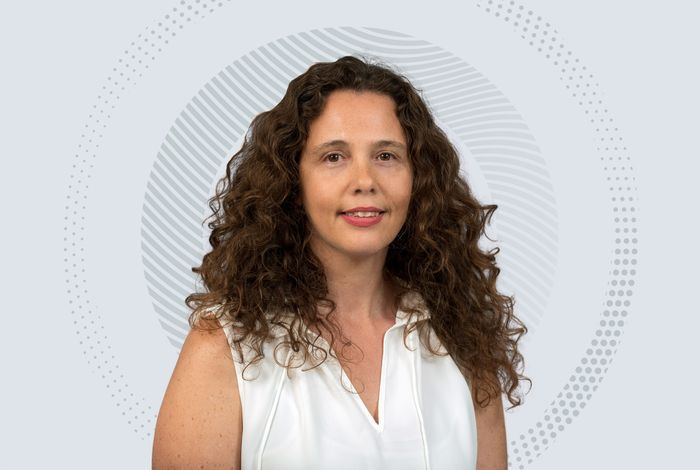 “Nature has an incredible power to restore us.” Prof. Keren Agay-Shay
Everything beyond our genes: What is environmental epidemiology?
Where we live exposes us to a wide range of environmental factors every day. We breathe polluted air, experience heat and cold, hear noise, and are exposed to light at night. We also encounter trees, parks, and open spaces that may benefit our health. In epidemiology, each of these encounters with an environmental factor, whether intentional or not, is called an “exposure.”
Environmental epidemiology examines how these exposures affect our risk of disease, sometimes many years later. “Our research group focuses mainly on the built environment and external exposures, such as air pollution, roads, climate change, greenery, and living near factories,” Agay-Shay explains. “But in the broadest sense, the environment includes almost everything other than our genome.”
How does research on environmental exposures relate to personalized medicine?
“To understand a person’s risk of disease, we also need to consider their ‘exposome’: the full range of environmental exposures they experience throughout their life. These exposures can increase or decrease the risk of disease, so they provide important information about each person’s health. The exposome complements what our genome tells us. Our genome is established at the beginning of life, while our exposures change depending on where we live, the climate, and the levels of pollution, noise, chemicals, and greenery around us.”
Can we measure an individual’s exposome?
“We can estimate various environmental exposures, but building a complete picture of someone’s exposome is difficult. Everyone’s life follows a different path, and their exposures change over the years. We need to establish what they were exposed to, at what levels, and at what stage of life. Reconstructing all that information can be difficult years after the exposure occurred.”
Air pollution, noise, and light: The risk factors around us
Some environmental exposures are beyond our control, and we may not even notice them. Someone living near a busy road, for example, may be exposed to air pollution and noise for years. People in hot regions are likely to experience high temperatures and heat waves, while living near factories can mean additional exposure to chemicals.
The effects of these exposures can build up over time and affect various systems in the body. Some become apparent during pregnancy or at birth, while others emerge only years later. Epidemiological research seeks to identify these links by studying large populations and to understand which factors increase or reduce the risk of disease.
How does air pollution affect the body?
“In the past, the focus was mainly on the link between air pollution and asthma and other lung diseases. We now understand that its effects are much broader, with potential links to cardiovascular disease, brain health, and mental health.
In a study we conducted in Israel, we followed about a million people for twenty years and examined their exposure to air pollution in depth. We found an association with an increased risk of lung cancer, the more widely recognized link, as well as breast and prostate cancer. In some ways, exposure to air pollution is similar to exposure to tobacco smoke: it affects many systems in the body.”
What other environmental factors can affect our health?
“Noise can also affect our health, partly because it disrupts sleep. Exposure to light at night is another area we’re beginning to explore. It, too, can interfere with sleep patterns and affect health over time. We also study the effects of heat and cold. They affect the body in different ways, and some of the physiological mechanisms are still not fully understood. These examples show how our environment affects us through the air we breathe, temperature, noise, light, and our ability to sleep and relax.”
Do we always understand how an exposure harms the body before taking steps to reduce it?
“Epidemiological research can identify a consistent link between an environmental exposure and harm to health before we fully understand the biological process involved. In some cases, the mechanism is already well understood, such as how air pollution causes cancer or how heat can harm fetal development. In other cases, researchers are still working to understand exactly how the damage occurs.
We need to keep studying these mechanisms while using the evidence we already have to reduce risks. If studies consistently link a particular exposure to harm to health, there is reason to take precautions, even without a complete biological explanation.”
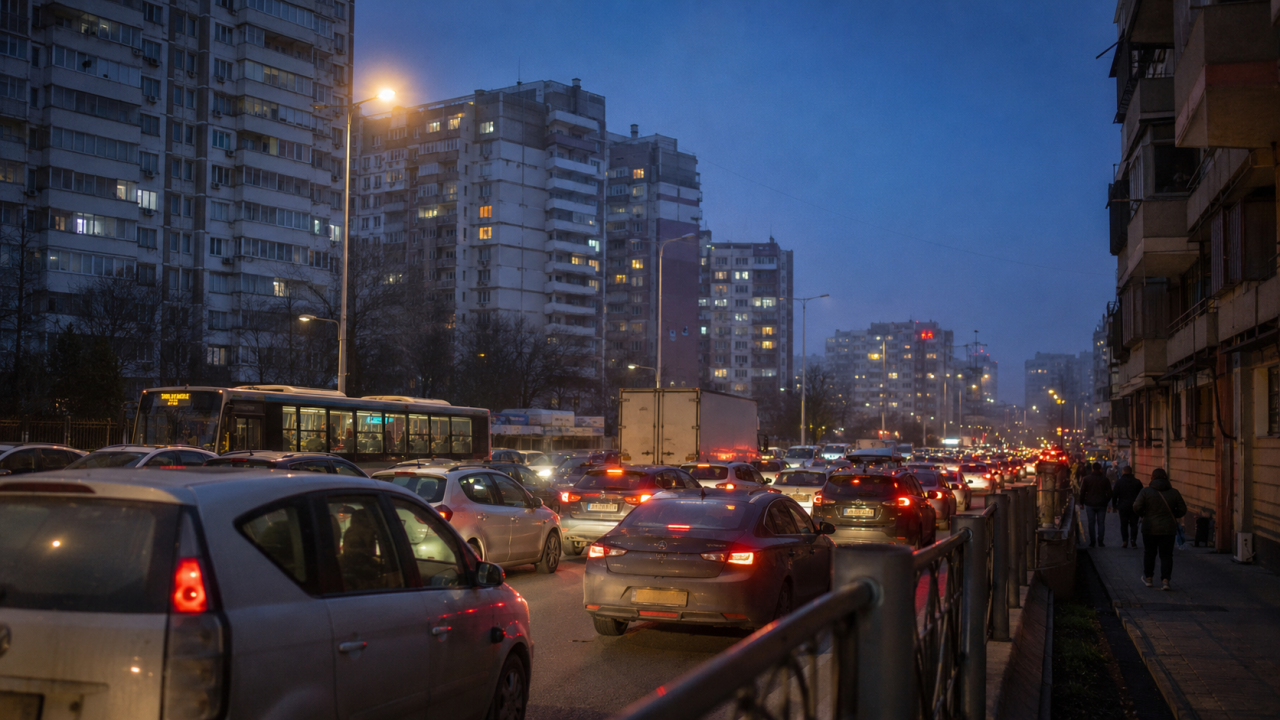 Pollution, noise, and artificial lighting can harm our health
Pregnancy, childhood, and adolescence: When the body is especially vulnerable
The same environmental exposure can affect the body differently at different stages of life. When an organ or system is developing or changing rapidly, it may be particularly vulnerable to outside influences. These periods are known as “windows of susceptibility,” and the timing of an exposure can matter just as much as its intensity.
At what stages of life are we especially vulnerable to environmental influences?
“The period before conception is important for both women and men. Then comes pregnancy, when the fetus develops rapidly. After birth, we talk about the first thousand days, when the brain and other systems continue to develop. Adolescence is another window of susceptibility. Women also go through periods of physiological and hormonal change, including pregnancy, breastfeeding, and menopause. My research focuses mainly on pregnancy and women’s health, but the concept of windows of susceptibility applies to various stages throughout life.”
Why is early life such a vulnerable time?
“The developmental origins of health and disease framework suggests that conditions early in life can help shape our health for years to come. The first studies in this field showed that babies born with a low birth weight face a higher risk of cardiovascular disease, obesity, and death later in life. We now understand that early-life influences may also be linked to brain development, other diseases, and even susceptibility to infections.”
Are some systems in the body more vulnerable during this period?
“Yes. During pregnancy, particular systems are more vulnerable at the stages when they are developing. The heart, for example, develops in the very early weeks of pregnancy. If a woman is exposed to high temperatures, air pollution, or another harmful environmental factor during that time, the risk of developmental harm may increase. That’s why we ask what the exposure was, how intense it was, and when it occurred.”
What have you found about the effects of heat during pregnancy?
“In studies conducted in Israel, we found that heat exposure during pregnancy is associated with a higher risk of preterm birth and low birth weight. A birth weight below about 2.5 kg (equivalent to approximately 5 pounds 8 ounces) may be linked to a greater risk of disease later in life. We also found a link between heat exposure and birth defects, including heart defects. This is also why pregnant women are advised to avoid hot tubs and saunas.”
Vitamin G: How nature protects our health
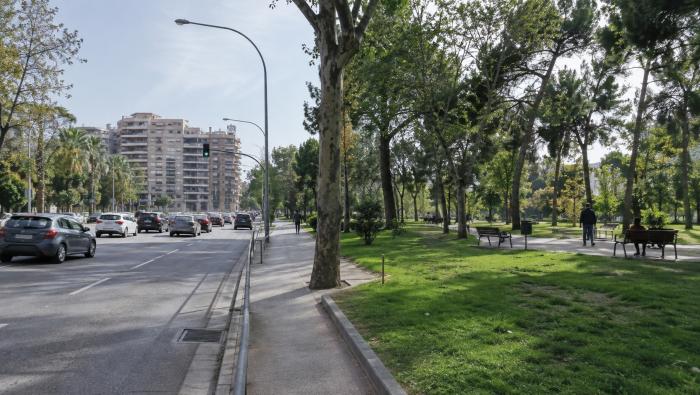
Our surroundings also include elements that may benefit our health. One of the most important is greenery near our homes: parks, tree-lined avenues, and trees along streets and in yards. Agay-Shay calls it “vitamin G,” with the G standing for “greenness.” “A lack of green surroundings can harm our health, much like a vitamin deficiency,” she says. “Many studies link living in greener areas to better physical and mental health.”
What does research tell us about the link between green surroundings and health?
“Among pregnant women living near green spaces, we see lower levels of cortisol in their hair, fewer negative feelings, and more positive ones. Studies have also found links to a lower risk of low birth weight, preterm birth, cancer, and death from cardiovascular disease.”
How do trees and parks actually affect the body?
“They work in several interconnected ways. Trees can help reduce air pollution, noise, and heat, while nature also provides positive sensory experiences: the scent of plants and wet earth, birdsong, and views of the landscape. Parks encourage physical activity and opportunities to connect with others, helping to ease loneliness. Another major benefit comes through mental health: nature reduces stress and helps us recover from mental overload, which can also improve our physical health.”
How can we reduce harmful exposures and bring more nature into our daily lives?
“Air pollution is difficult for any one person to control, so public awareness of its effects and calls for policy change are important. When the Ministry of Health warns of high levels of airborne particles and advises people to avoid spending time or exercising outdoors, we need to take that seriously. There are also simple ways to bring more positive exposures into our lives. If you don’t have a garden, you can grow plants indoors, visit a park, or look up at the sky. Blue spaces, such as the sea and other bodies of water, also have an effect. The key is to think broadly about nature and find ways to make it part of your daily routine.”
What would you like people to take away from your research?
“We’ve built cities around us, but we still need pockets of nature and time to enjoy them. Modern life is full of stress, and we need to make an effort to reduce it. It’s also important to appreciate nature as a whole. The trees, the shade, the scents, the sounds, and the chance to connect with other people all matter. Sometimes, even reading about environmental risks can be stressful. If you’re pregnant and worried about all the possible exposures, step outside for a few minutes, look at the trees and the sky, and let your body relax.”
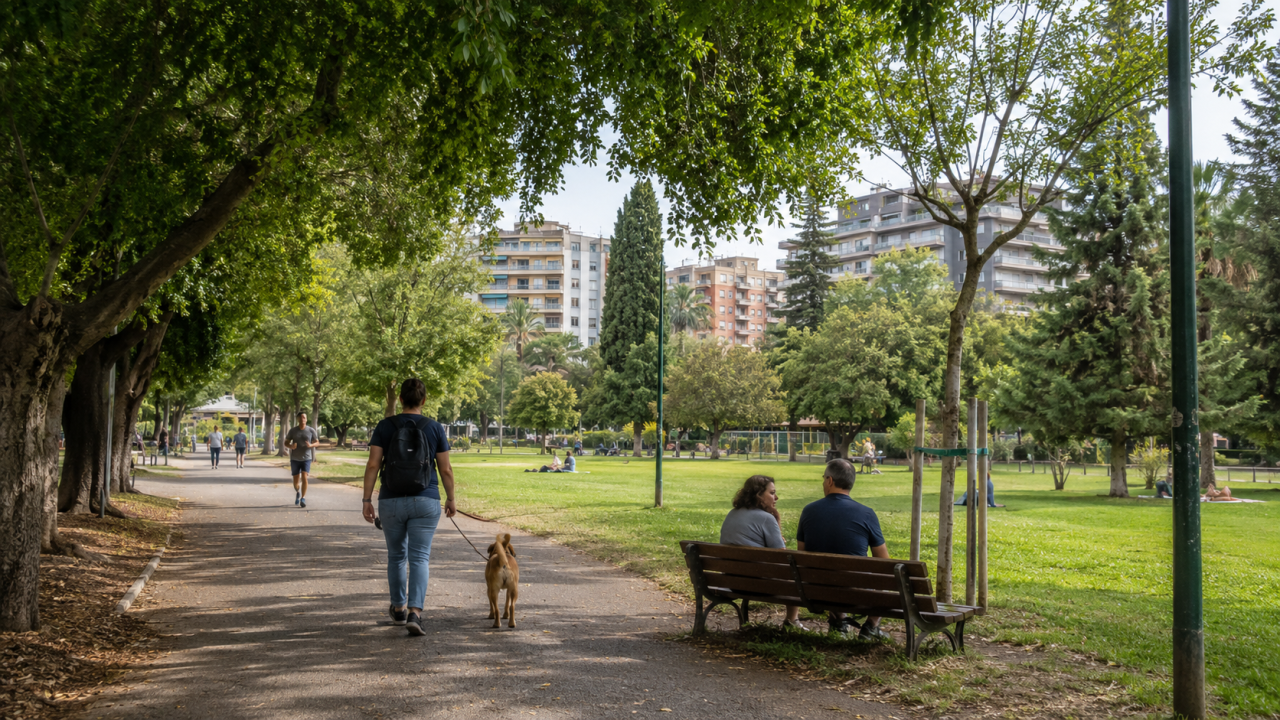 Even in cities, we need pockets of nature
Last Updated Date : 22/11/2026