



Epigenetics
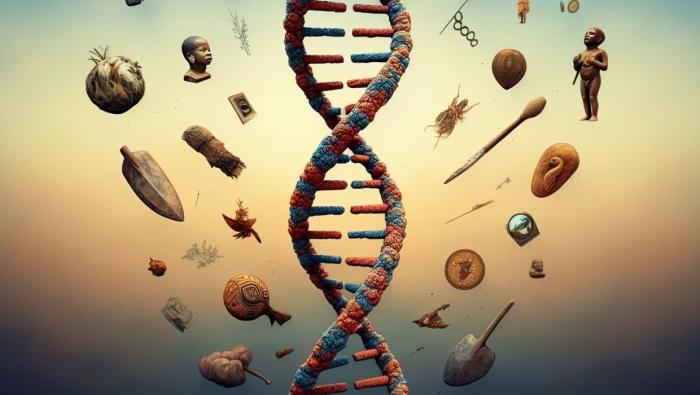
The Mission: Deciphering the “Software” that Operates the Genome
For decades, DNA was viewed as a predetermined instruction manual: a sequence of genetic letters with which a person is born, determining the body’s structure, biological traits, and susceptibility to developing various diseases. However, as research into the human genome advanced, it became clear that this genetic sequence does not operate on its own. A dynamic, environmentally responsive regulatory layer controls which genes are activated, when they are activated, in which cells, and to what extent.
This is the field of epigenetics : the study of the mechanisms that govern how DNA is used. Scientists in this field seek to understand how factors such as nutrition, stress, infections, medications, aging, and the environment influence gene activity, and how this knowledge can be harnessed for early diagnosis and personalized treatment.
What Is Epigenetics?
Epigenetics is a field of research that focuses on changes in gene activity that do not result from changes in the DNA sequence itself. In other words, the genetic letters remain the same, but the way a cell reads and uses them changes. A useful analogy is a piano: the keys remain fixed, but the melody depends on which keys are played, at what pace, and with what intensity.
Epigenetic changes occur through several key regulatory mechanisms. These include DNA methylation, which can influence whether genes are activated or silenced; modifications to histones, the proteins around which DNA is wrapped, which affect how accessible genes are for reading, and RNA molecules that do not encode proteins but participate in regulating gene activity.
What makes epigenetics unique is its role in connecting the fixed genetic sequence with the changing influences of lifestyle and the environment. Nutrition, physical activity, environmental pollutants, stress, and aging can all leave epigenetic marks on cells, and in some cases these marks can be reversed.
Because of this capability, epigenetics is opening new possibilities for diagnosis and treatment. It helps researchers understand how disease develops within cells and may also identify points at which the process can be influenced, halted, or redirected.
Epigenetics and Personalized Medicine
Personalized medicine seeks to tailor treatment to the unique biological profile of each patient. To achieve this, it examines an individual's genetic background, medical and environmental history, cellular activity, and the specific disease pattern that has developed in the body. This is where epigenetics comes into play. Alongside the information provided by the genome, the epigenome reveals which genes are actually active or silenced, and how their activity changes in response to age, environmental factors, lifestyle, and disease.
The ability to read a patient's epigenetic profile provides insight into how the body is really using its genetic information, making it highly valuable in personalized medicine. One of its primary applications is early diagnosis. In many diseases, including cancer, metabolic disorders, and neurodegenerative diseases, epigenetic changes can appear in the earliest stages of disease development, sometimes even before symptoms emerge. Detecting these changes may enable more accurate diagnosis, help distinguish between different disease types, and predict a patient's response to treatment.
Another application is the assessment of the biological age of cells and tissues, that is, their actual rate of aging. This assessment is performed using "epigenetic clocks," which are based primarily on patterns of DNA methylation, and may help predict the risk of age-related diseases as well as monitor the effects of treatments or lifestyle changes.
What Do We Research at the Dangoor Center at Bar-Ilan University?
Our research laboratories investigate questions related to epigenetics and the regulation of gene activity. One of our main areas of focus is gene expression, that is, the process by which genetic information is translated into cellular activity. This information is important for personalized medicine because even when two patients have similar genetic backgrounds, their bodies may not behave in the same way.
Another major area of research is the epigenetics of cancer. This work examines how mutations in the DNA sequence, together with disruptions in the mechanisms that regulate gene activity, can influence tumor development. Understanding these patterns can help classify different types of cancer, identify treatment resistance, and uncover vulnerabilities that may be targeted therapeutically, thereby enabling more precise treatment for each patient.
Another area of research at the Dangoor Center examines the relationship between infections, environmental factors, and epigenetic changes. Researchers study how viruses affect the packaging of DNA within the cell nucleus and influence gene activity over time. These studies investigate whether an infection can leave behind a form of molecular "memory" in cells that continues to affect their function even after the infection has resolved. In this way, the research links what may appear to be a discrete medical event with profound and long-lasting changes in cellular biology.
Applied Research and Multidisciplinary Collaborations
The Dangoor Center serves as a bridge between academic research and clinical application. It brings together researchers from a wide range of disciplines and promotes collaborations between research laboratories at Bar-Ilan University and clinical settings, including the Sheba Medical Center at Tel Hashomer and the Azrieli Faculty of Medicine in the Galilee.
Research conducted at the Dangoor Center demonstrates how epigenetic changes influence the likelihood of disease development. For example, the work of Professor Meital Gal-Tanamy, which examines how the hepatitis C virus leaves an epigenetic "signature" in liver cells even after the infection has been cured, contributes to understanding the persistent risk of developing liver cancer.
In addition to these collaborations, the center employs advanced technologies, computational tools, statistical models, and artificial intelligence to derive medical insights from large volumes of data. These tools help identify connections between epigenetic changes, gene activity, disease risk, and response to treatment.
The epigenetics research conducted at the Dangoor Center illustrates one of the greatest promises of modern medicine: understanding not only the sequence of our genes, but also how they are activated, silenced, and altered throughout life. The better we become at reading this regulatory layer, the closer we will come to achieving proactive, more precise, and more personalized medicine.