



Molecular Neurobiology
The mission: to understand the microscopic mechanisms that drive the brain
The brain functions through a vast network of nerve cells that constantly communicate with one another and continuously adapt their activity. Underlying this complex process are intricate biological mechanisms: genes that regulate cellular activity, proteins that carry out essential functions, receptors that detect incoming signals, signaling molecules that trigger cellular responses, and the connections between neurons that make neural communication possible.
Molecular neurobiology explores the processes that allow nerve cells to receive, process, and transmit information. Changes in the activity of a protein, receptor, or signaling molecule can alter communication between neurons and, in turn, affect learning, memory, sleep, and behavior, and in some cases contribute to psychiatric or neurological disorders.
The connection between molecular neurobiology and personalized medicine is especially important because brain disorders that appear similar may actually arise from different underlying biological mechanisms. To improve diagnosis, monitoring, and treatment, researchers must understand what goes wrong at the deepest biological level—within cells, between cells, and in the signaling pathways that connect them.
What Is Molecular Neurobiology?
Molecular neurobiology is the field of research that examines how microscopic biological processes enable the brain and nervous system to function. It focuses on components such as genes, proteins, receptors, ion channels, signaling molecules, and neurotransmitters.
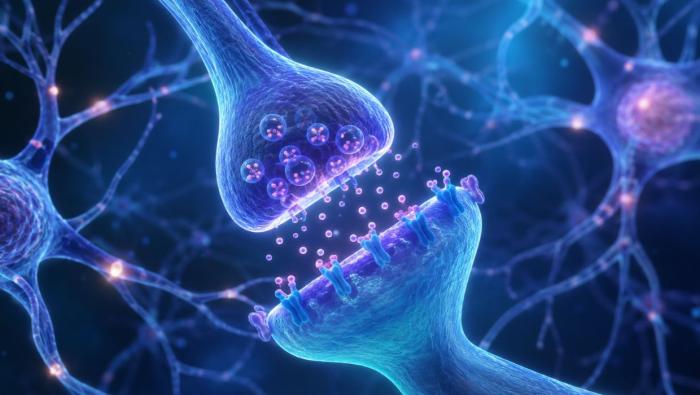
Brain activity depends on precise communication between nerve cells. A neuron receives a signal, processes it, and releases chemical messengers that pass the signal on to the next neuron. Within the cell, that signal can trigger a cascade of biochemical events, altering gene expression, influencing protein production, and strengthening or weakening connections between neurons. These processes form the foundation of learning, memory, sensory processing, movement, sleep, and behavior.
One of the field's primary areas of focus is the study of synapses—the junctions where neurons communicate with one another. Synapses are made up of a complex array of proteins and signaling molecules, and their molecular composition can vary across different regions of the brain. As a result, even a small molecular change at a synapse can affect how neurons transmit information and, in some cases, alter the activity of entire neural networks.
Molecular Neurobiology in Personalized Medicine
In disorders of the brain and nervous system, the symptoms seen from the outside do not always reflect what is happening inside the cells. Memory loss, movement disorders, changes in mood, or behavioral changes can arise from a variety of biological mechanisms, including altered activity of a specific gene, a malfunctioning protein, disrupted communication between neurons, inflammation, or changes in the molecular pathways within cells.
This is where molecular neurobiology plays a crucial role. It makes it possible to examine disease at a deeper level by asking which biological processes are linked to the symptoms of a particular patient. This understanding is especially important in brain disorders, where the same diagnosis can present differently from one person to another and progress at very different rates.
To identify these differences, researchers use tools such as genetic sequencing, gene expression analysis, protein profiling, advanced imaging, neuronal cell models, and computational methods. Together, these approaches make it possible to connect subtle changes at the cellular level with broader patterns of brain function. They can also help identify disease risk at an earlier stage, monitor disease progression, and ultimately support the development of more precise, targeted therapies.
What Do We Study at the Dangoor Center at Bar-Ilan University?
At the Dangoor Center for Personalized Medicine at Bar-Ilan University, researchers study the brain and nervous system through the biological mechanisms that drive their function. Their work examines the brain across multiple levels—from molecular processes within neurons, to real-time brain activity, to the links between sleep, behavior, addiction, and neurodegenerative diseases.
Molecular Mechanisms of Neurodegenerative Diseases: Dr. Ronit Ilouz's laboratory investigates the cellular and molecular mechanisms underlying neurodegenerative diseases. One area of focus is the enzyme PKA, which plays a key role in regulating neuronal activity and signaling in the brain. Research of this kind can help reveal how a single molecular change can lead to broader disruptions in brain function.
Real-Time Brain Activity: Dr. David Zada uses the transparent glassfish Danionella cerebrum to observe brain activity in real time and at high resolution. This model makes it possible to track neuronal activity throughout the intact, living brain and to investigate the links between neural activity, genetics, sleep, social behavior, and responses to drugs.
The Role of Neurotransmitters in Addiction and Depression: Professor Gal Yadid studies the regulation of neurotransmitters in the brain in the context of addictive drugs and depression. His research connects molecular and cellular changes to behavior, addiction, and the processes involved in recovery.
Translational Research and Multidisciplinary Collaboration
Understanding a brain disorder or neurological dysfunction requires looking at how a small change within a single neuron can affect the function of an entire system. That is why research in this field integrates fundamental laboratory science with clinical data, medical imaging, genetics, and computational approaches.
At the Dangoor Center, neuroscientists, molecular biologists, physicians, psychologists, imaging specialists, sleep researchers, and computational biologists work side by side. This multidisciplinary approach makes it possible to identify biological mechanisms that begin at the cellular level and examine how they may explain symptoms, identify disease risk, and support the development of more precise approaches to diagnosis and monitoring.
Molecular neurobiology is bringing medicine closer to a deeper understanding of the brain—what goes wrong within neurons, how those changes affect entire neural systems, and how this knowledge may ultimately help tailor better treatments for each individual patient.