


Dysbiosis
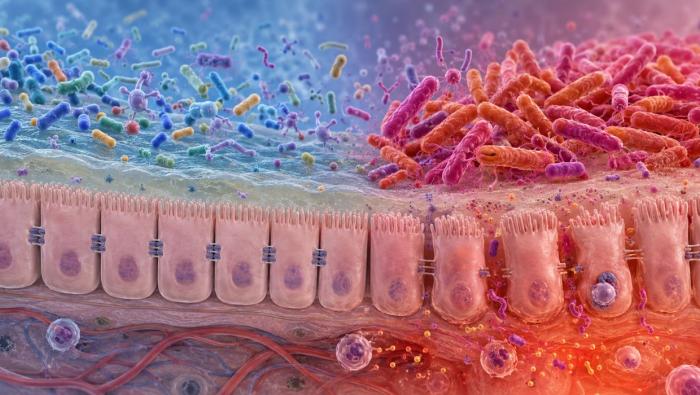
Dysbiosis is a medical term that describes a state in which the population of microorganisms in the body becomes imbalanced. This population, known as the microbiota, includes bacteria, viruses, fungi, and other microorganisms that naturally inhabit the body. When this balance is disrupted, it can alter processes related to digestion, metabolism, immune system function, and protection against disease-causing pathogens.
Dysbiosis can develop as a result of a variety of factors. The most common include prolonged or inappropriate use of antibiotics, a diet low in dietary fiber, a diet high in sugars and processed fats, infections, chronic psychological stress, excessive alcohol consumption, and exposure to environmental pollutants.
The microbiota is found in several parts of the body, but most research has focused on the gut, where its influence on health is particularly extensive. Under normal conditions, the gut microbiota helps break down food, produce essential compounds, regulate the immune system, and protect against disease-causing bacteria. When the balance of the gut microbiota is disrupted, there may be a decline in the diversity of beneficial bacteria, a relative increase in bacteria with the potential to cause harm, or changes in the substances produced by these microorganisms. In some cases, the intestinal lining—the protective barrier that separates the inside of the gut from the rest of the body—may also become damaged. Such damage can allow inflammation-promoting substances to enter the bloodstream and trigger a broader inflammatory response.
Over the past few decades, dysbiosis has been linked to a wide range of diseases and medical conditions, including inflammatory bowel diseases such as Crohn's disease and ulcerative colitis, irritable bowel syndrome, obesity, type 2 diabetes, cardiovascular disease, and various autoimmune diseases. It is important to emphasize, however, that such an association does not necessarily establish a cause-and-effect relationship. In some cases, dysbiosis may contribute to the development of disease, while in others it may arise as a consequence of the disease itself, drug treatment, or other changes in the body's condition.
Research on dysbiosis is particularly important for personalized medicine because the composition of the microbiota varies from one individual to another and may influence disease risk, disease progression, and response to treatment. At the Dangoor Center for Personalized Medicine and the Faculty of Medicine at Bar-Ilan University, researchers are investigating the relationship between the microbiota and human health. A study led by Prof. Omry Koren examined how changes in the gut microbiota during the first trimester of pregnancy may help predict gestational diabetes at an early stage. Another study, also led by Prof. Koren, investigated how antibiotic treatment during the first days of life affects the gut microbiota of infants and their growth later in childhood. Additional research by Prof. Koren explores the gut-brain axis, seeking to understand how the gut microbiota influences behavior.
Frequently Asked Questions
1. What is dysbiosis, and what are its most common symptoms?
The clinical manifestations of dysbiosis vary from person to person and depend on the severity and location of the microbial imbalance. The most common symptoms involve the digestive system and include increased abdominal bloating, gas, abdominal pain, chronic diarrhea or constipation, and, in some cases, a general feeling of discomfort after meals. However, because the microbiome influences many other body systems, dysbiosis may also be associated with systemic symptoms such as persistent, unexplained fatigue, difficulty concentrating, skin conditions such as acne or eczema, as well as changes in mood and increased cravings for sweet foods resulting from the activity patterns of certain gut bacteria.
2. What are the main causes of dysbiosis in the gut?
Gut dysbiosis is usually caused by a combination of environmental and behavioral factors. One of the main causes is frequent or prolonged use of antibiotics, which can damage beneficial bacteria as well as harmful ones. A diet low in dietary fiber and high in sugars, refined carbohydrates, and preservatives can also alter the composition of the gut microbiota and promote the overgrowth of potentially harmful microorganisms. Other contributing factors include chronic psychological stress, persistent sleep deprivation, excessive alcohol consumption, and gastrointestinal infections.
3. How is an imbalance in the gut microbiota (dysbiosis) diagnosed?
An imbalance in the gut microbiota, known as dysbiosis, is most commonly evaluated using a stool sample. The analysis can identify which bacteria and other microorganisms are present in the gut, determine their relative abundance, and assess whether there is a reduction in microbial diversity or an increase in potentially harmful microorganisms. In research settings, this is typically done using genetic sequencing methods such as 16S rRNA sequencing or metagenomic sequencing, which identify the genetic material of microorganisms in the sample. However, there is currently no single test that can definitively diagnose dysbiosis in every individual, so the results should always be interpreted in the context of the person's symptoms and medical history.
4. What is the connection between dysbiosis and diseases outside the digestive system?
Dysbiosis begins in the gut, but it may also affect other systems throughout the body. Gut bacteria play important roles in regulating the immune system, metabolism, and communication along the gut-brain axis. When their balance is disrupted, the intestinal lining may become compromised, allowing inflammation-promoting substances to enter the bloodstream. This process may contribute to persistent low-grade inflammation, which is currently being studied in relation to autoimmune diseases, obesity, insulin resistance, and neurological disorders. However, the relationship is not always causal: in some cases, dysbiosis may contribute to the development of disease, while in others it may simply reflect another change occurring within the body.
5. Can an imbalance in the gut microbiota (dysbiosis) cause disease?
Dysbiosis may contribute to the development of disease, but it is not necessarily the direct cause in every case. Research has linked dysbiosis to inflammatory bowel diseases such as Crohn's disease and ulcerative colitis, irritable bowel syndrome, obesity, type 2 diabetes, cardiovascular disease, liver disease, certain types of cancer, autoimmune diseases, and conditions associated with the gut-brain axis.
However, it is important to distinguish between an association and a cause. In some cases, an imbalance in the microbiota may influence inflammation, metabolism, or immune system function, thereby contributing to the disease process. In other cases, dysbiosis may develop as a consequence of the disease itself, drug treatment, or another change in the body's condition.
6. How can dysbiosis be treated and balance restored to the gut?
Treatment for dysbiosis depends on the underlying cause of the imbalance and the patient's medical condition. It usually begins with dietary changes, particularly increasing the intake of dietary fiber and prebiotics—food components that promote the growth of beneficial bacteria. In some cases, fermented foods or probiotic supplements may also be incorporated, although their effectiveness varies from person to person and depends on the composition of the individual's microbiota and the specific bacterial strains used. It is also important to reduce factors that may worsen dysbiosis, such as unnecessary antibiotic use, a diet low in dietary fiber, excessive alcohol consumption, and chronic stress. In certain severe, well-defined medical conditions, such as recurrent Clostridioides difficile infection, fecal microbiota transplantation (FMT) may be used, in which microbiota from a healthy donor are transferred to help restore the gut's microbial community.
7. What is the difference between dysbiosis and small intestinal bacterial overgrowth (SIBO)?
Dysbiosis is a broad term that describes an imbalance in the microbiota—the community of bacteria and other microorganisms that naturally live in the body, particularly in the gut. It may involve a reduction in microbial diversity, the loss of beneficial bacteria, an increase in potentially harmful bacteria, or changes in their activity. SIBO (small intestinal bacterial overgrowth) is a specific type of dysbiosis. In SIBO, there is an excessive growth of bacteria in the small intestine. This causes food to ferment prematurely and may lead to bloating, gas, abdominal pain, and, in some cases, impaired absorption of nutrients.
Last Updated Date : 27/07/2026