


Autoimmune Diseases

Autoimmune diseases are a group of conditions in which the immune system mistakenly attacks the body’s own healthy cells and tissues. Instead of reliably distinguishing between the body’s own material and foreign substances, the immune system’s recognition mechanism breaks down, leading it to begin responding to the body itself. Today, dozens of autoimmune diseases have been identified.
What causes autoimmune diseases to develop?
Their development usually involves several interacting factors: genetics (an inherited tendency), environmental influences (such as exposure to infections or stress that triggers immune activity), and hormones (many of these diseases are more common among women).
What kinds of autoimmune diseases exist, and where do they affect the body?
Autoimmune diseases can appear in many different places in the body. Broadly, they fall into two categories: systemic diseases that affect multiple systems, such as lupus, and organ-specific diseases that target a single organ, such as type 1 diabetes or multiple sclerosis.
How are autoimmune diseases treated?
There is still no cure for these conditions, so treatment focuses on regulating and suppressing the immune response to reduce inflammation and limit tissue damage. The main therapeutic tools are two types of medications:
Steroids – powerful anti-inflammatory and immune-suppressing drugs that often come with significant side effects. They are usually used during acute phases or severe flare-ups to quickly bring inflammation under control.
Classical immunosuppressive medications and biological therapies – typically used for long-term management. These treatments target specific components of the immune response and can sometimes reduce the need for steroids.
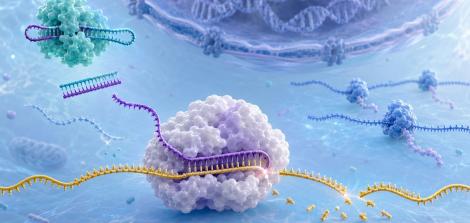
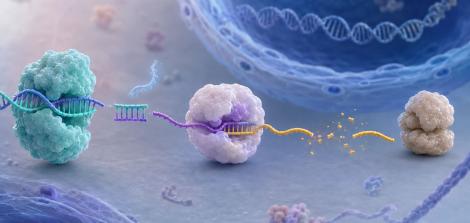
In the laboratory of Prof. Arie Lev Gruzman at the Dangoor Center, a groundbreaking drug is being developed that aims to treat a wide range of autoimmune diseases without causing side effects.
Last Updated Date : 26/04/2026