


Psychobiotics
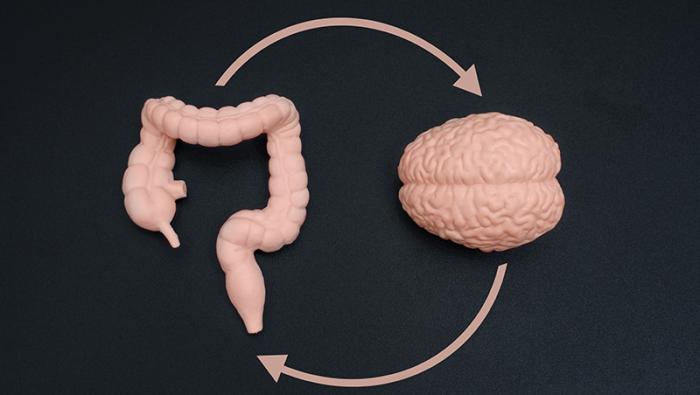
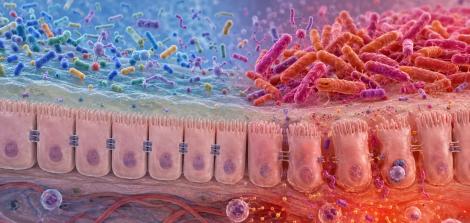
Psychobiotics is a relatively new area of medical research that explores the link between gut bacteria, behavior, and mental health. This field focuses on understanding how the community of microorganisms living in the intestines (the “microbiome”) influences the brain and mood, and on developing treatments that modify this bacterial balance through diet, probiotics, or even bacterial transplants.
Why is psychobiotics important?
Its importance lies in the growing recognition that the digestive system and the brain are deeply interconnected through what scientists call the gut–brain axis. Gut bacteria produce a variety of chemical compounds—such as serotonin, dopamine, and fatty acids—that can affect how the nervous system functions and how mood is regulated.
How does information travel between the gut and the brain?
There are several pathways that enable this two-way communication. One is through the bloodstream, which carries molecules produced in the gut to the brain. Another is through the immune system, which responds to bacterial products. Most crucially, signals travel along the vagus nerve—a major communication highway that connects the gut directly to the brain.
What does the future hold for psychobiotics?
Although the field is still in its early stages, and most studies have been conducted on animals or small human groups, findings suggest that changing the microbiome could positively influence mood and mental well-being. In a groundbreaking study by Professor Omry Koren of the Dangoor Center, mice raised in sterile conditions, without any gut bacteria, showed more aggressive and violent behavior compared to normal mice. Remarkably, when gut bacteria were introduced into these sterile mice, their behavior calmed down. This discovery highlights the microbiome’s powerful role in balancing brain function and behavior.
Last Updated Date : 05/11/2025