


Natural Killer Cells (NK Cells)
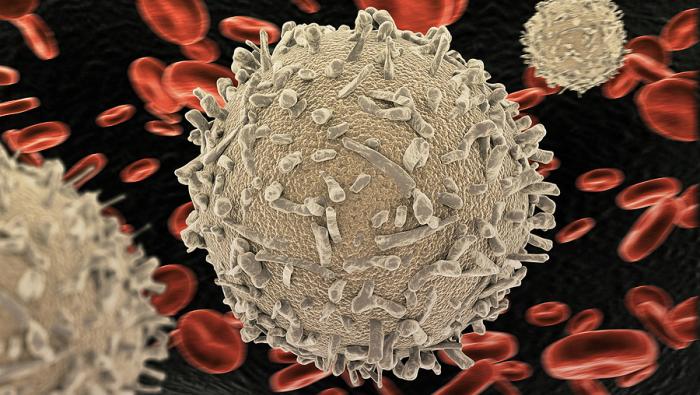
Natural killer cells, also known as NK cells, are white blood cells that belongs to the lymphocyte family and form part of the innate immune system. Their primary role is to rapidly identify and destroy abnormal cells in the body, especially cells infected by viruses or cells that have undergone cancerous transformation.
The term “natural killer” reflects these cells’ ability to respond quickly without requiring prior exposure to a specific threat. When an NK cell detects signs that a cell in the body is abnormal, it can eliminate that cell directly and within a short period of time.
This destruction process is carried out through two key types of proteins. First, the NK cell releases perforin, a protein that creates tiny openings in the membrane surrounding the target cell. Through these openings, granzymes enter the cell. These proteins trigger a process known as apoptosis, or programmed cell death. This is a controlled and highly targeted mechanism that enables NK cells to eliminate damaged or dangerous cells efficiently.
In addition to their direct killing activity, NK cells also influence the broader immune response. They secrete cytokines, signaling molecules that allow immune cells to communicate with one another, recruit additional immune cells, and enhance immune activity in areas where protection is needed. As a result, NK cells do not function solely as destroyers of harmful cells; they also help coordinate and direct the immune system’s response to threats.
NK cells do not attack every cell they encounter. Before taking action, they “inspect” the target cell using receptors located on their surface. Some of these receptors are inhibitory receptors, which prevent NK cells from attacking healthy cells, while others are activating receptors, which encourage them to respond when signs of abnormality or cellular damage are detected.
One of the main signals that prevents NK cells from attacking is the presence of MHC class I molecules. These molecules are normally found on the surface of healthy cells and serve as a kind of “identification tag” that signals to the NK cell that the cell is part of the body and should not be attacked.
In cells infected by viruses or transformed by cancer, however, this identification marker may appear in very low amounts or disappear almost entirely. This condition, known as “missing self,” means that the NK cell no longer receives the inhibitory signal that would normally restrain it. As a result, the NK cell may become activated and destroy the target cell.
Because of their ability to rapidly identify and eliminate dangerous cells, as well as their influence on the activity of other immune cells, NK cells are currently at the forefront of research in the field of immuno-oncology, which focuses on developing treatments that harness the immune system to fight malignant tumors.
A groundbreaking study at the Dangoor Center for Personalized Medicine demonstrated how the ability of cancer cells to suppress NK cells can be blocked, thereby enabling NK cells to attack cancer cells more effectively.
Frequently Asked Questions
- What are natural killer cells?
Natural killer cells, or NK cells, are white blood cells that belong to the innate immune system. Their primary role is to continuously patrol the body and identify cells that pose a threat, such as virus-infected cells or cells that have become cancerous.
What makes NK cells unique is their ability to respond extremely quickly, often within just a few hours of detecting a threat, without needing prior exposure or “training” against that specific target.
- How do natural killer cells identify cancer cells?
The identification process depends on a balance between inhibitory and activating signals. Healthy cells display a protein called MHC-I, which is recognized by NK cells as a “stop” signal that prevents them from destroying the cell. Cancer cells, however, often reduce or eliminate the expression of this protein in an attempt to evade the immune system. NK cells recognize the absence of MHC-I as a sign of abnormality and attack the target through a mechanism known as “missing self.” At the same time, malignant cells may also express unique proteins that bind to activating receptors on NK cells, actively stimulating them to attack and eliminate the tumor.
- What is the difference between NK cells and T cells?
T cells and NK cells are both types of lymphocytes, but they operate in different branches of the immune system and perform complementary roles. T cells belong to the adaptive immune system, meaning their activity depends on recognizing a specific antigen, or foreign protein, and undergoing an activation process that can take several days. NK cells, by contrast, are part of the innate immune system and can respond immediately to damaged or abnormal cells without requiring prior antigen-specific matching or preparation.
- How do natural killer cells destroy damaged cells?
NK cells eliminate damaged cells by releasing toxic proteins stored within specialized vesicles. When they come into direct contact with a target cell, they release perforin, a protein that creates openings in the target cell’s membrane. Through these openings, enzymes called granzymes enter the cell. Once inside, the granzymes trigger programmed cell death, known as apoptosis, causing the damaged cell to destroy itself in a controlled process. This mechanism prevents cellular contents from leaking into the surrounding tissue, thereby protecting healthy tissue and reducing the likelihood of an inflammatory response.
- What is the importance of natural killer cells in fighting viruses?
Natural killer (NK) cells play a particularly important role in defending the body against viruses that attempt to evade the immune system through “concealment.” Under normal conditions, healthy cells display identification molecules on their surface that function as signals indicating the cell is normal. Certain viruses disrupt the presentation of these signals, making it more difficult for other immune cells to recognize infected cells.
What makes NK cells unique is that they can detect the reduction or disappearance of these normal identification signals. As a result, even when a virus succeeds in masking the infected cell, NK cells can still recognize that something is abnormal and rapidly eliminate the cell. In this way, NK cells help stop viral replication and limit the spread of infection at a very early stage. By eliminating infected cells at an early stage, NK cells help slow viral replication and limit the spread of infection throughout the body.
- Can natural killer (NK) cells be used to treat cancer?
The use of NK cells in cancer treatment is part of the field of immunotherapy and is considered a highly promising direction in oncology. In this approach, NK cells are collected either from the patient or from a donor, activated and strengthened under laboratory conditions, and in some cases genetically engineered to improve their ability to recognize tumor cells. The cells are then returned to the body to attack the cancer.
One of the most advanced developments in the field is the creation of CAR-NK cells, which are NK cells genetically engineered to specifically recognize certain types of cancer cells. An important advantage of this therapy is its potential to combine strong anti-cancer activity with a relatively favorable safety profile, particularly a lower risk of some of the severe side effects associated with treatments based on engineered T cells.
- What affects the activity of natural killer (NK) cells in the body?
The activity of natural killer (NK) cells is influenced by a variety of physiological and environmental factors. Research has shown that chronic stress and lack of sleep can lead to the release of hormones such as cortisol, which suppress the activity of these cells. By contrast, moderate physical activity and a diet rich in antioxidants and certain vitamins may help support NK cell function. As people age, the effectiveness of NK cell responses may gradually decline. This process is believed to contribute to the increased prevalence of cancer and infectious diseases among older populations.
Last Updated Date : 27/07/2026