


CRISPECTOR

CRISPECTOR is an advanced and groundbreaking computational tool designed to analyze the results of genetic editing. The tool was developed by a team of researchers from Bar-Ilan University in collaboration with researchers from Reichman University. Its development was driven by the rapid advances in genome editing, which enables scientists to make targeted changes to DNA in order to correct genetic defects, but also presents significant challenges in the areas of control and safety.
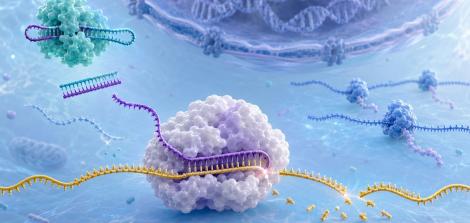
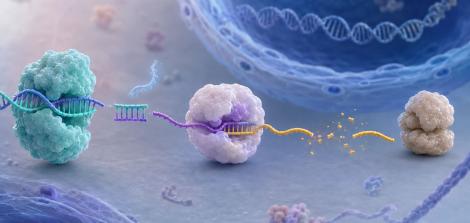
CRISPECTOR is based on CRISPR technology, which is used for precise genetic editing by cutting DNA at a defined location and is therefore sometimes referred to as “molecular scissors.” However, despite its high level of precision, CRISPR may sometimes also cut regions in the genome that resemble the original target sequence. This phenomenon, known as off-target activity, may cause genomic damage such as breaks in the DNA strand or changes in chromosome structure, and therefore constitutes a safety risk in the application of medical treatments
To identify such deviations, researchers rely on next-generation DNA sequencing (NGS) methods that produce enormous amounts of data. However, these data are saturated with “background noise,” meaning technical errors created during laboratory procedures, sample handling, or the sequencing process itself, making it difficult to distinguish between genuine editing and measurement errors.
CRISPECTOR provides a precise solution to this problem through a sophisticated classification algorithm based on statistical modeling and Bayesian probability, a statistical approach that does not look only at the final result, but also weighs what is already known in advance about the system’s “behavior.” Instead of asking only, “Is there a change in the DNA here?”, the software simultaneously asks two questions: What is the probability that such a change occurred by mistake because of technical laboratory noise, for example an error by the sequencing machine? And what is the probability that such a change is the result of genuine genetic editing?
CRISPECTOR examines the “history” of laboratory noise and compares it with the current finding. If the detected change appears identical to the machine’s common errors, the algorithm classifies it as “noise.” However, if the change deviates from the pattern of technical errors and matches the pattern of CRISPR cutting, it is identified as genuine editing. This approach enables the tool to remain “skeptical” toward background noise and accurately detect even very subtle genetic edits that would otherwise be lost within the vast amount of data.
Thanks to this capability, CRISPECTOR significantly reduces the rate of false-negative results and makes it possible to identify weak but meaningful editing activity that previously went unnoticed. The tool’s applications are already reflected in preclinical studies and in the safety assessment of experiments in the field of genetic editing.
Because it is accessible to the global scientific community, CRISPECTOR constitutes a central component in the development of the next generation of genetic therapies, helping ensure that they will be not only more effective, but above all safer for use in humans.
Frequently Asked Questions
- What is CRISPECTOR?
CRISPECTOR is a computational software tool for analyzing the results of genetic editing experiments, designed to evaluate the precision and safety of CRISPR activity. It was developed in Israel by researchers from Bar-Ilan University in collaboration with researchers from Reichman University in order to address a central challenge in the field: determining whether the CRISPR system operated precisely at the intended target site or also caused unwanted changes in other regions of the genome. To do so, the tool analyzes DNA sequencing data and distinguishes between changes resulting from genuine genetic editing and signals arising from background noise and technical measurement errors. In this way, it helps researchers obtain a more accurate and reliable picture of genetic editing outcomes.
- What is “off-target” activity, and how does CRISPECTOR detect it?
Off-target activity is a situation in which the CRISPR system cuts DNA not only at the target site predetermined for it, but also at another location in the genome that resembles it. Such cutting may cause unwanted genetic changes and even harmful mutations. To identify such cases, CRISPECTOR analyzes genetic sequencing data using a machine-learning algorithm, enabling it to detect cuts in unintended regions.
- What is “background noise” in genetic sequencing?
“Background noise” in genetic sequencing refers to technical errors created during laboratory work, for example during the amplification of DNA fragments (PCR) or through the operation of the sequencing machine itself. These errors may make a DNA sequence appear as though a change has occurred, even when no genetic editing was actually performed.
- How does CRISPECTOR work?
CRISPECTOR examines every event involving a change in the DNA sequence and evaluates the probability that it represents genuine genetic editing as opposed to a technical error. To do so, it uses Bayesian models, statistical models for estimating probabilities, which enable findings to be classified with greater accuracy than simpler analysis methods
- How does CRISPECTOR contribute to research and drug development?
CRISPECTOR contributes to research and drug development by enabling researchers to analyze the results of genetic editing and verify that the treatments being tested operate accurately and safely. For example, it has been used in the analysis of editing data from studies focused on developing treatments for complex genetic diseases such as SCID and sickle cell anemia, in order to ensure that genetic therapies do not cause unwanted changes in essential regions of the genome.
- Why is NGS important for CRISPECTOR?
NGS (next-generation sequencing) technology makes it possible to read billions of DNA bases at high throughput and provides the “raw materials” analyzed by CRISPECTOR. The combination of the sequencing power of NGS with CRISPECTOR’s computational analysis capabilities makes it possible to map the entire genome and detect even the smallest changes at a level of accuracy that is not possible with older sequencing methods.
- How could CRISPECTOR influence the future of genetic medicine?
CRISPECTOR may influence the future of genetic medicine by helping make genetic editing safer for use in humans. Through a rigorous monitoring tool accessible to laboratories around the world, it contributes to accelerating the development of drugs and treatments for incurable diseases while significantly reducing the risks involved in altering the genetic code.
Last Updated Date : 26/07/2026