


RNA Silencing
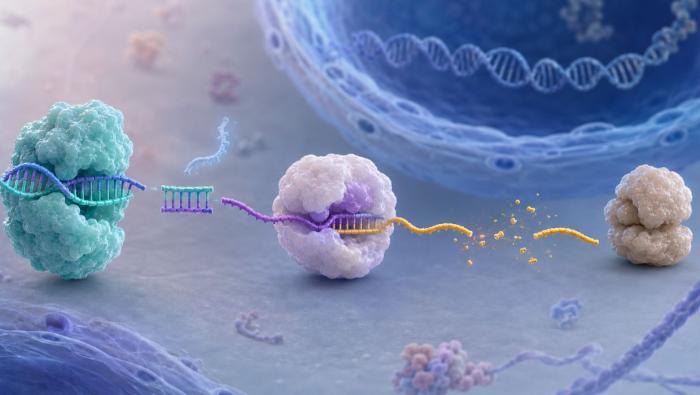
RNA silencing is a mechanism by which the cell reduces or “switches off” the activity of a particular gene without altering the DNA itself. Normally, a gene leads to the production of a protein through a temporary copy called mRNA. In this process, the cell targets that copy: it either breaks it down or prevents it from being translated into a protein. As a result, less protein is produced from that gene, or production stops entirely.
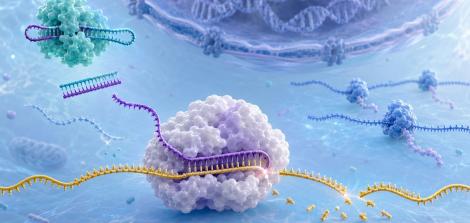
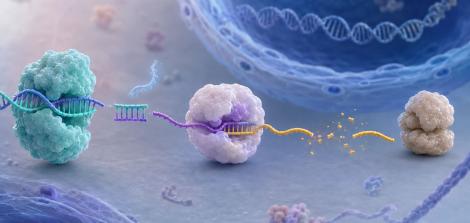
The process begins when RNA molecules composed of two strands appear within the cell, a structure considered unusual and typically indicative of a viral invasion or cellular disruption, since naturally occurring cellular RNA is generally single-stranded. At this stage, an enzyme called Dicer recognizes these double-stranded molecules and cuts them into short fragments known as siRNA and miRNA. These short fragments serve as recognition tools: they bind to a protein structure within the cell called the RISC complex and guide it precisely to the mRNA molecule targeted for neutralization. Once this interaction occurs, a key protein within the complex, called Argonaute, carries out the silencing itself by degrading the mRNA or blocking the ability to read its instructions, thereby completely preventing the production of the protein.
The discovery of this mechanism earned researchers Andrew Fire and Craig Mello the Nobel Prize in 2006 and paved the way for the development of treatments based on RNA silencers for genetic diseases, cancer, and metabolic disorders. In parallel, agricultural applications were also developed, including the selective control of pests by targeting genes essential to the pest itself.
A distinction should be made between the terms “RNA silencing” and “RNA interference (RNAi),” even though they are sometimes used interchangeably in everyday language. RNA silencing describes the actual outcome in the gene, namely a reduction or complete halt in the production of a specific protein due to damage to the mRNA molecules carrying its production instructions. RNA interference, by contrast, is the name of the biological mechanism that leads to this outcome, that is, the process by which the cell uses short RNA molecules to disable the mRNA. Put simply, RNAi is the process, and RNA silencing is the resulting effect.
Frequently Asked Questions
- What is the main difference between RNA silencing and genetic editing?
RNA silencing is a reversible and temporary process that acts on messenger RNA molecules within the cell fluid, thereby preventing protein production for a limited period without altering the genes themselves. Genetic editing, by contrast, such as CRISPR technology, introduces a permanent and irreversible change to the DNA sequence within the cell nucleus. This distinction allows controlled medical regulation of the drug dosage and the ability to stop its effect when necessary.
- How does the Dicer enzyme function in the gene-silencing process?
The enzyme Dicer identifies long double-stranded RNA molecules within the cell that originate from viruses, endogenous genes, or synthetic RNA molecules. After recognizing them, it cleaves the double-stranded RNA into short and precise fragments approximately 21–23 nucleotides in length. These fragments, known as siRNA or miRNA, are loaded into the RISC system and serve as guide molecules that direct it to silence the specific RNA molecule targeted for neutralization.
- What is the difference between siRNA molecules and miRNA molecules?
Both siRNA and miRNA are short RNA molecules involved in post-transcriptional gene silencing, but they differ in both origin and mode of action. siRNA molecules generally originate from viruses or synthetic therapeutic agents and are characterized by an almost perfectly specific match to a single target gene. By contrast, miRNA molecules are naturally produced by the body as part of its internal regulatory system, and they usually exhibit only partial matching to their target molecules. As a result, they can regulate entire networks of dozens or even hundreds of different genes simultaneously.
- How does RNA silencing contribute to sustainable agriculture and the protection of bees?
RNA silencing–based technology enables selective pest control through the spraying of RNA molecules onto plant leaves, a method known as SIGS. The genetic sequence is designed to silence essential genes only in the specific pest that feeds on the plant, without harming beneficial insects such as bees or affecting humans. Recent studies by international companies in the field, such as GreenLight Biosciences, have demonstrated success in preventing pest-related damage while fully preserving biodiversity.
- What is the drug Redemplo, and how does it help patients?
Redemplo (plozasiran) is a drug that acts as an RNA silencer intended for patients with very high blood lipid (triglyceride) levels caused by a genetic defect. It silences the production of a liver protein called APOC3, which normally inhibits the clearance of lipids from the bloodstream. By blocking this protein, the drug enables the body to clear lipids more efficiently and significantly reduces the risk of acute pancreatitis.
- Why is RNA silencing considered a safe method in humans?
RNA silencing is based on a natural biological mechanism that already exists within the body’s cells and does not cause permanent changes to the DNA sequence; for this reason, it is considered a relatively safe method. The main challenge in its application is preventing a situation in which the RNA sequence accidentally silences other healthy genes. To reduce this risk, scientists now use advanced computational tools, including artificial intelligence, to design sequences that are as precise as possible and minimize the likelihood of off-target effects.
- What is the role of the Argonaute protein in the RNA-silencing mechanism?
The Argonaute protein is the central and active component of the RISC protein complex that is directly responsible for RNA silencing. It binds the short RNA strand, siRNA or miRNA, uses its sequence to identify matching messenger RNA molecules, and, once a match is found, either cleaves the mRNA molecule or inhibits its translation, thereby stopping protein production.
- What is the difference between an RNA silencer and RNA interference (RNAi)?
An “RNA silencer” is a general term for short RNA molecules, such as siRNA, miRNA, or shRNA, that are designed to induce gene silencing, for example as therapeutic agents or research tools. “RNA interference” (RNAi) is the umbrella term for the natural biological mechanism through which these RNA silencers interact with systems such as Dicer and RISC and cause the degradation or inhibition of mRNA. Put simply, RNA silencers are the tools, and RNAi is the mechanism through which those tools operate to achieve RNA silencing.
Last Updated Date : 03/08/2026