


EMDR

EMDR (Eye Movement Desensitization and Reprocessing) is a form of psychological therapy designed to help people process traumatic memories and difficult experiences. The goal of EMDR is to reduce the emotional distress and symptoms that these memories can continue to trigger long after the event itself has ended.
Normally, the brain processes experiences and events as part of a natural process, allowing them to be stored as memories that do not interfere with everyday functioning. After a traumatic event, however, this processing can be disrupted. As a result, the memory may continue to trigger intense emotions, distressing thoughts, and physical reactions long after the event is over. This is why a particular trigger in the present, such as a sound, smell, or image, can bring back the feelings associated with the event.
EMDR uses bilateral stimulation, meaning alternating stimulation of the right and left sides of the body. EMDR is a structured method consisting of eight phases, from gathering information and preparing the patient to closure and reevaluation. At the heart of the therapy is the processing phase, during which three things happen at the same time:
- Focusing on the memory: The patient is asked to recall an event, image, thought, or feeling associated with the traumatic experience.
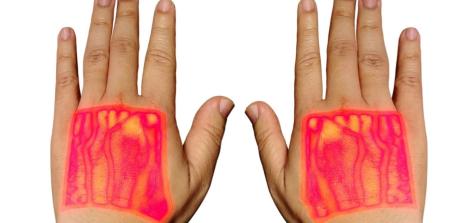
- Bilateral stimulation: At the same time, the therapist provides alternating stimulation on the right and left sides. This usually involves eye movements, but it can also be done using sounds that alternate between the ears or gentle tapping on the hands.
- Reprocessing: During therapy, the memory is reprocessed so that its emotional intensity gradually decreases. Some researchers have suggested that this may occur in a way similar to the brain’s natural processing during REM (dream) sleep, but this is one of several hypotheses and has not yet been confirmed by research.
As a result, the memory is not erased, but its emotional intensity and the physical response associated with it are reduced. According to the theoretical model underlying EMDR, the brain processes the event as something that is over and no longer poses a threat.
1. Why is EMDR considered an effective treatment?
Effective in treating trauma: Numerous studies have demonstrated the effectiveness of EMDR in treating post-traumatic stress disorder (PTSD), and it is recommended by international health organizations, including the World Health Organization (WHO).
Improvement within a relatively short period: Some patients may experience improvement after a relatively small number of sessions, although the length of treatment varies from person to person.
No need to describe every detail: Unlike some forms of therapy, EMDR does not require patients to recount and describe every detail of the traumatic event at length during the session. It is enough for the patient to hold the memory in mind.
2. Does EMDR erase the memory?
No. The patient still remembers the event, but according to the model underlying EMDR, the treatment changes the way the brain stores the memory. The goal is to reduce the emotional distress and physical reactions the memory triggers, such as anxiety, a rapid heartbeat, or a sense of danger. In this way, the treatment aims to make the memory part of the past, without allowing it to continue to significantly affect everyday life.
3. What are the main uses of EMDR?
Trauma and PTSD: A major treatment for post-traumatic stress disorder and combat trauma.
Anxiety and phobias: Also used, and being studied, to reduce panic attacks, fears, and test or performance anxiety.
Personal crises: Also used, and being studied, to help people cope with complicated grief, separation, and low self-esteem.
4. Who developed EMDR?
EMDR was developed in the late 1980s by American psychologist Dr. Francine Shapiro. The method was initially called EMD, and the word “Reprocessing” was added to its name in 1991.
According to Shapiro’s own account, she noticed that moving her eyes from side to side reduced the intensity of distressing thoughts. Based on this observation, she developed a structured therapeutic method that was studied over the years and became one of the best-known approaches to treating trauma. Today, EMDR is taught and practiced in many countries around the world.
5. Who is EMDR suitable for?
EMDR is suitable for children, adolescents, and adults dealing with trauma, difficult experiences, or PTSD, for example following accidents, loss, violence, abuse, or military service.
In some cases, EMDR can also be used to treat anxiety, phobias, depression, chronic pain, addiction, or other emotional difficulties, usually as part of a broader treatment plan.
However, not everyone is ready to begin EMDR immediately. In some cases, the therapist may first devote several sessions to preparation, building a sense of safety, and developing coping skills before beginning to process traumatic memories.
6. What happens during an EMDR session?
The patient and therapist sit facing each other, and the therapist guides the patient through short rounds of bilateral stimulation, each lasting several dozen seconds. For example, the therapist may move a finger from side to side while the patient follows it with their eyes. Between rounds, the patient briefly describes what came to mind and rates how much distress the memory is causing at that moment.
In practice, an EMDR session typically lasts about an hour, and the number of sessions varies from person to person.
7. What happens in the brain during EMDR therapy?
Although EMDR has been studied for decades and has been shown to be effective in treating PTSD, the exact mechanism by which it works is still not fully understood.
The prevailing hypothesis is that bilateral stimulation, such as alternating eye movements, sounds, or tapping, helps the brain reprocess traumatic memories that were not fully processed when the events occurred. During treatment, the patient focuses on the traumatic memory while receiving bilateral stimulation. This combination may gradually reduce the emotional intensity of the memory and allow the brain to store it as an ordinary memory that no longer triggers a sense of danger whenever it comes to mind.
Researchers have proposed several possible explanations for the effects of EMDR. One hypothesis is that bilateral stimulation places demands on working memory and competes for its limited resources. This makes it more difficult to recall the memory with its original intensity, so it becomes less vivid and less emotionally charged. Another hypothesis is that bilateral stimulation helps create new associations between the traumatic memory and information indicating that the event is over and that the person is now safe.
Another question that arises is how essential the bilateral stimulation itself is. Studies examining this question have produced conflicting results: some have found that it contributes to treatment outcomes, while others have found no difference. Some researchers believe that the main therapeutic effect comes from repeated exposure to the memory in a safe environment with the support of a therapist.
Therefore, although researchers are still working to understand exactly how EMDR works, there is broad agreement that the treatment helps many patients reduce the distress associated with traumatic memories.
This information is not a substitute for professional diagnosis or treatment.
Last Updated Date : 12/10/2026