


Fecal Microbiota Transplantation (FMT)
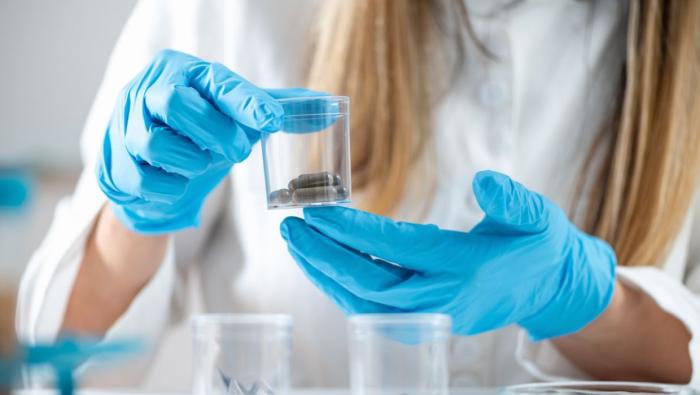
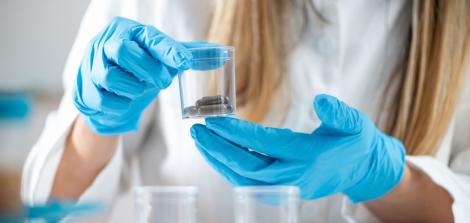
Fecal microbiota transplantation, or FMT, is a medical treatment in which a sample of gut microbiota from a healthy donor is transferred into a patient’s intestine. The goal of the treatment is to restore the natural community of microorganisms in the gut after it has been disrupted by illness or antibiotic treatment.
The human gut is home to trillions of microorganisms, primarily bacteria, which together make up the gut microbiome. The microbiome plays important roles in digesting food, producing essential substances, protecting against disease-causing bacteria, and influencing immune system function.
In certain situations, such as after prolonged antibiotic treatment, the balance of microorganisms in the gut can be disrupted. When populations of beneficial bacteria are depleted, harmful bacteria can multiply and cause disease. FMT is intended to restore a healthy, diverse population of bacteria to the gut, helping to rebuild the microbiome and restore balance to the digestive system.
Before the transplant, the donor undergoes extensive medical screening to ensure that they do not carry any diseases or infectious agents that could be transmitted to the patient. The stool sample is processed in a laboratory and then introduced into the patient’s gastrointestinal tract by colonoscopy, enema, feeding tube, specially designed capsules, or other methods, depending on the patient’s medical condition.
1. What conditions is fecal microbiota transplantation used to treat?
Today, fecal microbiota transplantation is used primarily to treat recurrent Clostridioides difficile (C. difficile) infection. This bacterium can cause severe diarrhea and serious intestinal inflammation, particularly following prolonged antibiotic treatment. When the infection repeatedly recurs and no longer responds to antibiotics, FMT is considered the most effective treatment, with success rates of up to about 90% in studies, and is recommended by leading health organizations worldwide.
2. How is fecal microbiota transplantation performed?
The procedure involves four main stages:
- Donor selection and sample collection: The donor undergoes a thorough medical evaluation as well as rigorous blood and stool testing.
- Sample processing: The sample is processed and filtered in a laboratory to prepare it for transplantation and remove unnecessary components.
- Introducing the microbiota: The bacteria are introduced into the patient’s gastrointestinal tract using oral capsules, colonoscopy (an examination of the large intestine), an enema, or a feeding tube.
- Restoring the microbiome: The beneficial bacteria establish themselves in the gut, multiply, and help restore balance to the microbiome. In doing so, they make it more difficult for harmful bacteria to multiply.
3. Where do the stool samples used for transplantation come from?
Today, most medical centers use samples from dedicated “stool banks,” which operate in a manner similar to blood banks. Donors are anonymous volunteers who undergo a particularly rigorous screening process. In some cases, a designated donor who is a family member may also be used, provided that they undergo all the required testing.
4. Does the treatment have any side effects or risks?
FMT is generally considered safe, although rare serious infections have been reported. The most common side effects are mild and usually resolve within a day or two. They include abdominal discomfort, gas, bloating, and minor changes in bowel movements. The main risk associated with the treatment is the transmission of an infection from the donor. However, thanks to the strict screening and testing procedures used by stool banks, this risk is considered extremely low.
5. Can fecal microbiota transplantation be performed at home?
No. Fecal microbiota transplantation is a medical procedure that should only be performed under medical supervision. A person who appears completely healthy may carry antibiotic-resistant bacteria, viruses, or parasites that cause them no symptoms but could be life-threatening to a patient with a weakened immune system. Attempting FMT without appropriate laboratory testing and sterilization can be life-threatening.
6. Can fecal microbiota transplantation help treat conditions outside the digestive system?
In recent years, research has revealed close links between the microbiome and the immune system, metabolism, and the gut-brain axis. As a result, researchers are investigating the potential of FMT in conditions such as Parkinson’s disease, Alzheimer’s disease, autism, diabetes, and depression. However, research in these areas is still at an early stage, and there is currently insufficient evidence to recommend FMT as a routine treatment for these conditions.
7. Are there alternatives to fecal microbiota transplantation?
Yes. In the United States, the FDA has approved two standardized microbiota-based products for preventing recurrent C. difficile infection: Rebyota (2022), administered rectally, and Vowst (2023), taken as oral capsules. Researchers are also developing new treatments designed to provide the benefits of FMT in a more precise and safer way.
One promising approach is to develop preparations containing a defined mixture of beneficial bacteria rather than using a donor-derived sample. Another is to develop treatments based on substances produced by gut bacteria or on bacteria grown under laboratory conditions. These approaches aim to provide greater control over the composition of the microbiome, reduce the risk of transmitting pathogens, and ensure greater consistency in treatment from one patient to another.
Despite advances in the field, FMT is still considered one of the most effective ways to restore the microbiome in certain conditions. In the future, more targeted treatments may replace it in some cases, but further research is still needed. It may eventually be possible for physicians to tailor treatment to each patient based on the unique composition of their microbiome, as part of personalized medicine.
Last Updated Date : 12/10/2026