


Cysteine and methionine
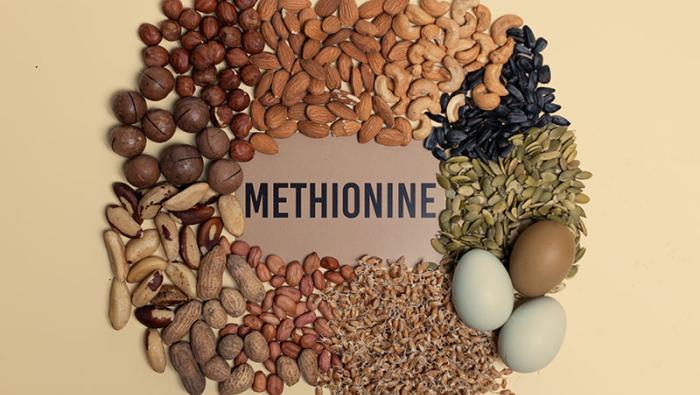
Methionine and cysteine are two of the 20 main amino acids commonly found in nature. Amino acids are nitrogen-based compounds whose primary role is to build the proteins essential for growth and the maintenance of healthy tissues. Because human cells cannot synthesize these essential amino acids on their own, they must be obtained through food.
Why are methionine and cysteine important?
Both methionine and cysteine play unique roles in the structure and function of proteins. Methionine is considered an essential amino acid because it serves as the “starting point” for the construction of every new protein in the body. Cysteine, meanwhile, is crucial for protein stability—it forms sulfur bridges (known as disulfide bonds) that strengthen protein structures, particularly keratin, the key component of hair, skin, and nails. Together, they support metabolic processes, help detoxify the body, and regulate antioxidant activity.
How are these amino acids linked to kidney disease?
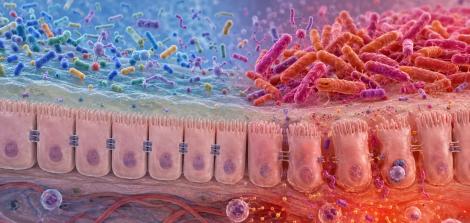
Recent studies have revealed that diets rich in methionine and cysteine may influence the activity of an intestinal enzyme called tryptophanase. This enzyme breaks down the amino acid tryptophan, producing byproducts that can accumulate in the kidneys and worsen chronic kidney disease (CKD). A study led by Dr. Lior Lobel at the Dangoor Center found that dietary supplementation with cysteine and methionine can regulate tryptophanase activity and reduce the production of kidney-damaging compounds. Although this research is still in the preclinical stage, its findings could pave the way for new strategies to treat or even prevent chronic kidney disease, which affects more than 800 million people worldwide.
Last Updated Date : 05/11/2025