


Tryptophanase
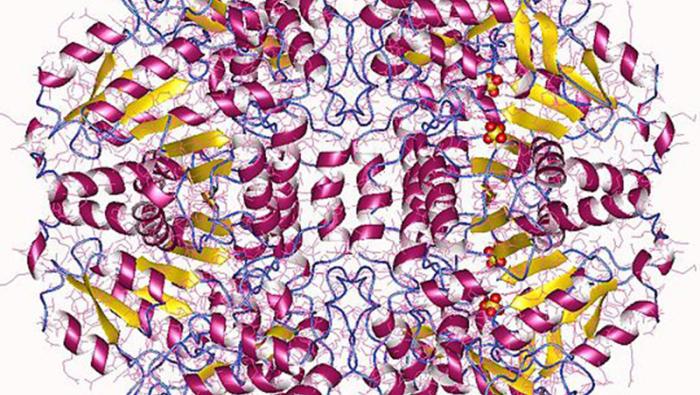
Tryptophanase is an enzyme (a substance that accelerates chemical reactions) produced by bacteria in the large intestine. Its main role is to break down the amino acid tryptophan, one of the building blocks of proteins, which is found in foods such as meat, eggs, and dairy products.
Why is tryptophanase important?
Tryptophanase plays a key role in producing various compounds in the gut that affect overall health, including intestinal function and immune system regulation. More recently, researchers have also discovered a connection between tryptophanase activity and kidney health.
What happens when tryptophan is broken down?
When tryptophanase breaks down tryptophan, it produces several byproducts. Some are beneficial—for example, pyruvate, which the body uses to generate energy—but others can be harmful. Among these are indole and ammonia, which, in excessive amounts, can have toxic effects.
How is tryptophanase linked to kidney disease?
In recent years, studies have revealed a striking connection between tryptophanase activity in the gut and chronic kidney disease (CKD), which affects over 800 million people worldwide. Researchers have found that in certain conditions, such as CKD, indole—one of the byproducts produced by tryptophanase—can accumulate in the kidneys and impair their function. A groundbreaking study led by Dr. Lior Lobel at the Dangoor Center for Personalized Medicine has shed new light on this process.
Last Updated Date : 05/11/2025