
The Transparent Brain: The Glass Fish Opening a Window into Social Behavior
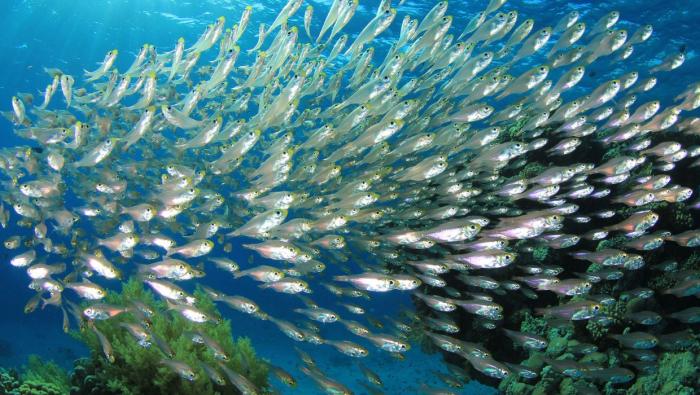
A tiny, completely transparent fish makes it possible to observe every neuron in the brain in real time. Dr. David Zada, a researcher at Bar-Ilan University, leverages this feature to create a genetic “avatar” of children with rare diseases. In this interview, he explains what can be learned from fish on the autism spectrum and the connection between sleep disorders and social behavior.
The aquarium in Dr. David Zada’s lab serves as a window into the human mind. Through the transparent body of a tiny fish swimming inside it, it’s possible to see, without any invasive procedure, how individual neurons “light up” when the fish recognizes a companion, or “switch off” when it becomes trapped in loops of isolation. This technology allows Dr. Zada to turn simple fish into genetic “avatars” of children with rare diseases, searching for precise treatments in a place where the human brain still remains a mystery.
Dr. Zada, head of the Social Brain and Behavior Lab at the Gonda Brain Research Center and a senior researcher at the Dangoor Center for Personalized Medicine, is a story of homegrown excellence. He developed his career at Bar-Ilan University, where he led groundbreaking research as a doctoral student. After a research period at the University of California, San Diego (UCSD), he returned to Israel to establish a multidisciplinary lab that bridges clinical genetics and basic research. We met with him to talk about glass fish, conditions affecting social behavior, and the direct link between sleep and DNA repair.
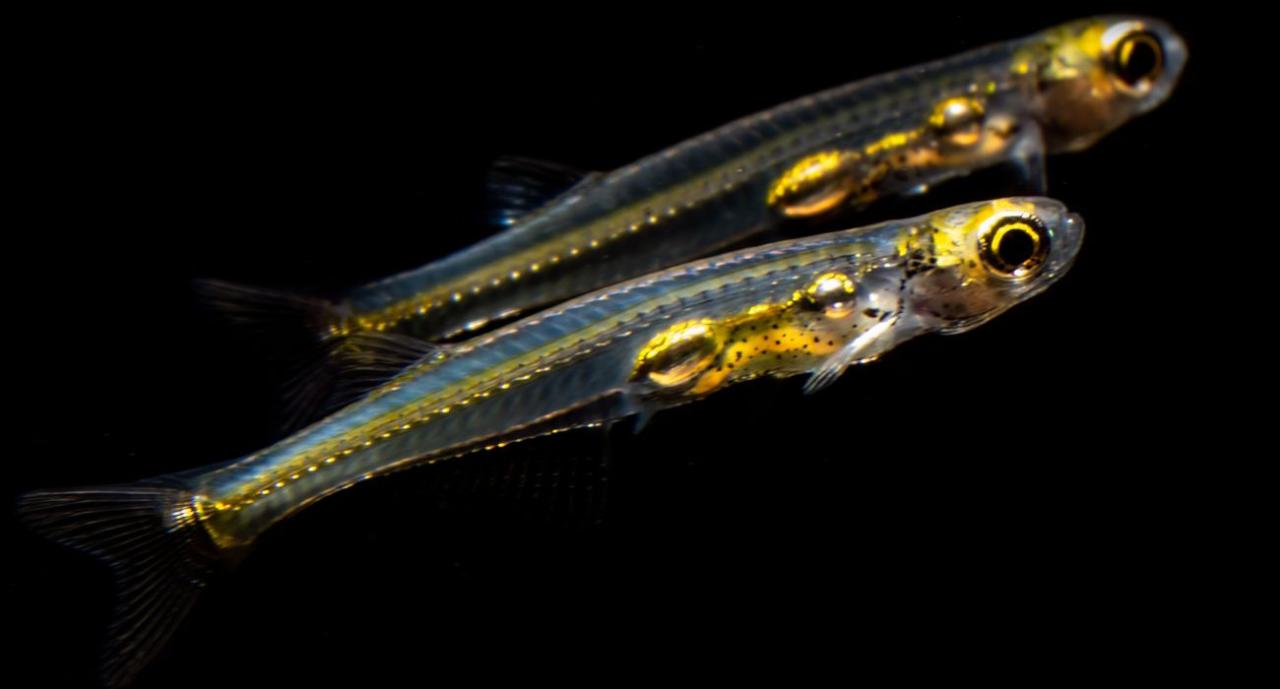 “The Danionella fish remains completely transparent even as an adult. It’s small enough to fit under a microscope, and transparent enough for us to see its entire brain.” Photo: Wikipedia.
An Extremely Social Fish
Dr. Zada, let’s start with your primary research tool, Danionella fish. Why do you call them “glass fish”?
“The name is a precise reflection of reality. Most animals used in biological research become opaque as they mature. The Danionella fish is different, it remains completely transparent even as an adult. It’s small enough to fit under a microscope, and transparent enough for us to observe its entire brain at single-cell resolution without cutting into it or causing any harm. That allows us to watch the orchestra of neurons playing in real time as the fish lives and communicates.”
Why is it so critical to study an adult fish in particular?
“For two main reasons. First, as an adult, this fish is an extremely social creature, it cannot exist on its own. It depends on the group to survive, find food, and escape predators. To study what goes wrong in the ‘social brain,’ we need an animal capable of complex behaviors like recognizing others and group communication. Second, the ultimate goal is to treat diseases in adult humans. Because it remains transparent, we can observe this ‘social thinking’ as it unfolds in an adult organism, which is a much closer model of the human condition.”
Genetic Avatar: Personalized Medicine
How does a transparent fish become a kind of “avatar” of a child with a rare disease?
“We receive genetic information from human patients, sometimes children with rare mutations that no one knows how to explain. Using CRISPR technology, we recreate that exact mutation in the egg of the transparent fish. The fish that hatches in the lab is essentially an ‘avatar’ of the patient, its brain carries the exact same genetic defect. Suddenly, we have a living model where we can study the disease without putting the patient at risk.”
You mentioned CRISPR technology. Can you explain what it is?
“CRISPR is one of the biggest revolutions in biology, which earned the scientists who developed it the Nobel Prize in Chemistry in 2020. It’s an incredibly precise system for navigating and editing genes. To understand its power, you have to understand the challenge: the DNA of a fish contains billions of letters. If we want to recreate a mutation from a sick child, we need to find a single faulty letter within that entire forest.”
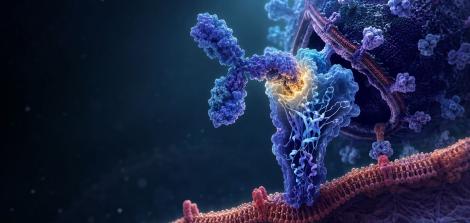
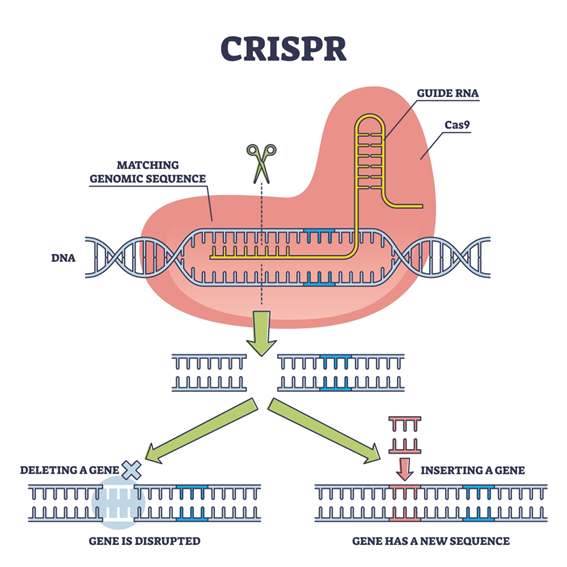 The CRISPR system: an exceptionally precise system for genetic navigation and editing.
“The CRISPR system has two main components: a ‘guide’ molecule that leads us to the exact address in the genome, and a protein that does the actual work. We inject this system directly into the fertilized egg of the fish. The guide locates the gene corresponding to that of the sick child, and the protein makes a precise cut. At that point, we can prompt the cell to ‘repair’ itself in a way that creates the desired mutation, or replace the genetic segment with a defective version identical to that of the patient.
What happens once the cut is made?
“That’s where the magic happens. The fish that hatches from that egg grows with the same genetic ‘bug’ present in every cell of its brain. In the past, to study a rare disease, we had to guess what the mutation does based on computer models. Today, thanks to CRISPR, within just a few days the disease becomes a living entity. Right before our eyes, through the transparent head, we can see how that mutation changes the way neurons communicate.
“That’s what makes the fish an ‘avatar’, it’s not just similar to the patient, it carries the exact same genetic error in its operating system.”
And what happens once you have the “avatar”? How do you find a treatment for the patient?
“That’s the power of the model. Because these fish reproduce in large numbers, we can run rapid drug screening. We take hundreds of drugs that are already approved by the FDA and simply add them to the water. Since the fish are transparent, we can quickly see whether a given drug restores brain activity or corrects the fish’s behavior. The goal is to reach a point where a doctor prescribes a drug not because it ‘works for most people,’ but because we’ve shown in the lab, on that patient’s own avatar, that it fixes their specific defect.”
The Social Brain and Autism: Watching Thought in the Aquarium
How do you define a “social” neuron in a fish’s brain?
“We cause the fish’s neurons to light up with fluorescence when they’re active. Under the microscope, we can identify cells that activate only when the fish is interacting with another fish. When it’s swimming alone, those cells remain inactive. The moment it recognizes a companion from the group, certain regions of the brain ‘light up’ with activity. We’re trying to understand how the brain processes this, does it recognize the other’s location? its distress? This is whole-brain imaging at the most microscopic level.”
And what does a fish “on the autism spectrum” look like behaviorally?
“Such a fish shows a lack of synchronization with the group. While the other fish swim in perfect coordination in one direction, it may lag behind, swim off alone in a different direction, or display repetitive movements. The stage we’re at now is looking inside its brain to see whether its neural activity is simply not synchronized. Its brain ‘orchestra’ isn’t playing together, and we’re asking whether that kind of desynchronization is the source of the social impairment.”
Your fish also produce sounds. Can we learn anything from them about human language?
“These fish produce rapid sounds, like clicks, using a drum-like organ. It’s a full-fledged form of social communication. For researchers, this is an incredible model for studying communication and language impairments. We can record them with sensitive microphones in the aquarium and examine whether fish with autism-related mutations ‘speak’ differently. This gives us a window into language and communication disorders at their most fundamental level.”
The Brain’s Repair Shop: Why Do We Need Sleep?
The research on fish is only part of the story. Before turning to the study of transparent fish behavior in the lab, Dr. Zada conducted groundbreaking doctoral research at Bar-Ilan University on sleep and DNA repair, published in leading scientific journals such as Nature Communications and Molecular Cell. He now identifies surprising links between his two research areas, sleep and social behavior.
According to your research, why do we need sleep?
“Our theory is that during wakefulness, brain activity creates ‘breaks’ in the DNA of neurons. Imagine you’ve been at the beach, swimming, exposed to the sun, and now you feel tired, why does that happen? Because DNA damage has accumulated in the brain. During sleep, the brain reallocates its resources to repair that damage.
A neuron responsible for moving your hand is busy activating it all day, you can’t just shut down the hand to fix something. During wakefulness, resources are directed toward activity, not repair. It’s like trying to repave a highway while traffic is still flowing, you have to close it at night to fix it. The repair doesn’t have to happen specifically at night, but it does occur during sleep. During sleep, chromosomal movement in the brain doubles, allowing DNA repair to take place.”
What is the PARP1 protein, and how is it connected to fatigue?
“PARP1 acts as the brain’s ‘smoke detector.’ It’s a DNA damage sensor that scans neurons and identifies genetic breaks that accumulate during wakefulness. When the damage reaches a certain threshold, it signals to the brain: ‘we need to sleep,’ triggering the drive to sleep. Without the repair that takes place during sleep, the brain accumulates damage that can lead to disease. Our research showed that six hours of sleep is the critical minimum required to complete the repair process in the brain of a fish.”
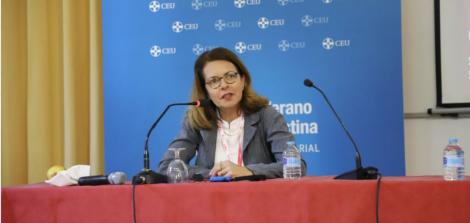
Dr. Zada explains the social experiment conducted in the laboratory with the Danionella fish.
The Thyroid Gland: The Surprising Link Between Autism and Sleep
In your 2026 study, you uncovered an unexpected connection between social behavior and the thyroid gland. How does that fit into the bigger picture?
“It was a very surprising finding. We used fish to model autism and saw that these fish not only struggle to communicate and swim with the group, but also show disruptions in their circadian rhythm, and likely in their sleep as well. When we analyzed their full genetic profile, we found that one of the most affected pathways was the thyroid hormone pathway.
This suggests that thyroid hormone may act as a central regulator of two domains: sleep and social behavior. The mechanism that repairs DNA damage during sleep and the mechanism that enables us to interact with our environment during the day may both depend on the same hormonal regulators.”
So could there be a link between autism and sleep disorders?
“It hasn’t been proven, but it’s possible that some of the symptoms of autism stem from a failure in this kind of overnight brain maintenance. A brain that doesn’t get enough sleep is a compromised brain, and a compromised brain can’t process complex social signals.
“We still don’t have a clear answer to whether autism is, at its core, a form of social desynchronization. It may be that if a child is exhausted, they’re simply less able to engage socially. In our fish models, we’re examining whether their lack of social behavior is linked to a completely different internal clock, with a mismatch between their sleep–wake cycles and those of the group.
“Of course, social behavior is only one aspect of autism, the spectrum includes many other dimensions. But we’ve found a strong connection to biological clock synchronization. We haven’t specifically tested whether these fish have sleep disorders, but it’s likely they do, because they’re not rhythmic. They don’t seem to have a stable internal clock, and they probably sleep differently from typical fish. There may also be a connection to DNA repair, we hope to find out.”
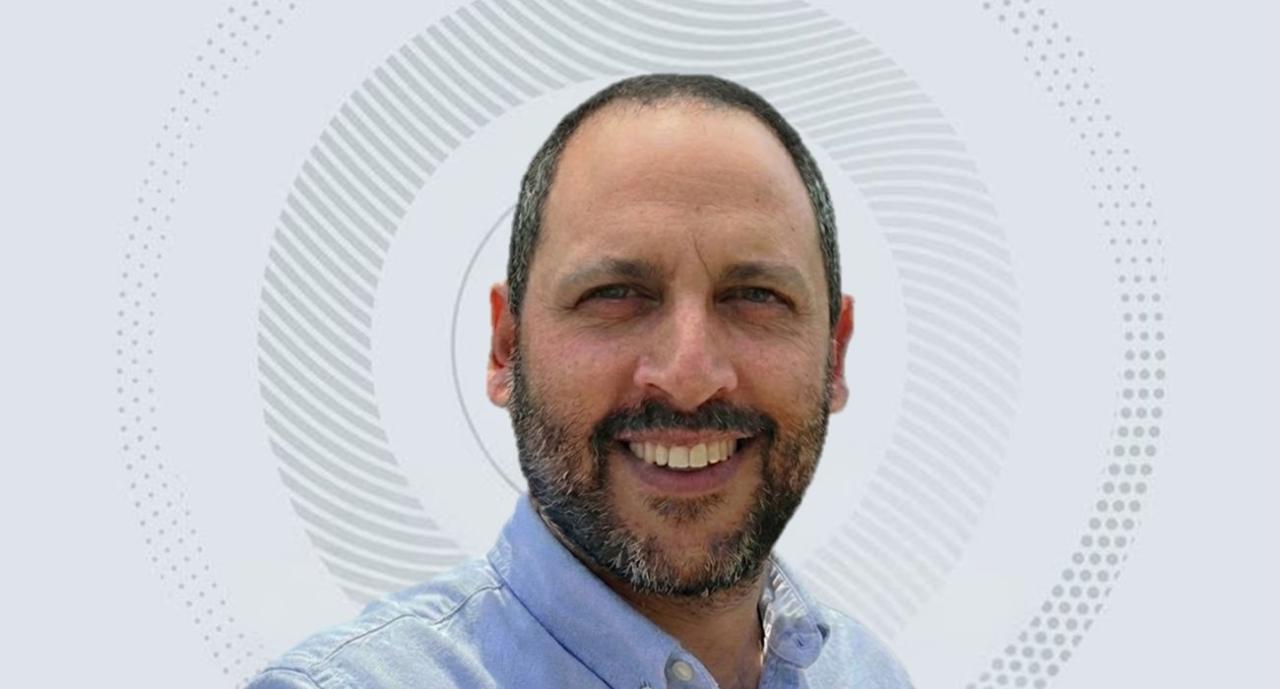 Dr. Zada: “I want to reach a point where every child with a rare disease will have an ‘avatar’ in my lab, enabling us to find the most precise treatment for them quickly and efficiently".
Returning to Israel Amid War
Dr. Zada, married and a father of two, experienced the events of October 7 while in the United States and returned to Israel during 2024.
You came back to establish your lab in Israel in the middle of the war. Can you share your experience as an Israeli researcher in the U.S. during that time?
“In San Diego specifically, we didn’t feel intense hostility. There was a small pro-Palestinian group that held some demonstrations, but we didn’t pay much attention to it. The real difficulty was in the first weeks after October 7. They saw me sitting in the lab, crying for half the day, listening through headphones to the news and the stories. But they’re American, there’s a certain distance, and they don’t fully understand why it’s all so personal.
“The hardest part was the family aspect, wanting to be in Israel with your family while your relatives and friends are in reserve duty and everyone is involved, and you’re far away. Far from sight, but close at heart. We had planned to return anyway, because we wanted our eldest son to start first grade in Israel, but we simply couldn’t stay there while there was a war here.”
“When we came back, we realized it’s become more difficult to stay connected with colleagues abroad. But in our field, the sciences, I think it’s felt less, because people understand your value and recognize your strengths as an Israeli. Israelis really do have a reputation there as very strong scientists, people worth collaborating with.”
The Vision: Personalized Medicine
When asked what is the most “human” thing he has seen in the brains of fish, Dr. Zada points to the similarity in the most fundamental mechanisms. “The fact that basic biological drives, like the need to sleep or the need for social connection, are the same as ours. This tiny fish is a mirror of our own brain. My vision at the Dangoor Center is to turn what we learn from transparent fish into real treatments. I want to reach a point where every child with a rare disease has an ‘avatar’ in my lab, allowing us to find the most precise treatment for them quickly and efficiently.”
What do you think the future holds? Will we all benefit from personalized medicine?
“Great question. Right now, it’s very expensive, taking a sample from someone and running all the tests needed to determine exactly what suits them and at what dose. Once it becomes more affordable, I believe it will happen. I really hope it will.”
Last Updated Date : 16/04/2026