


Prodrug (Pre-drug)
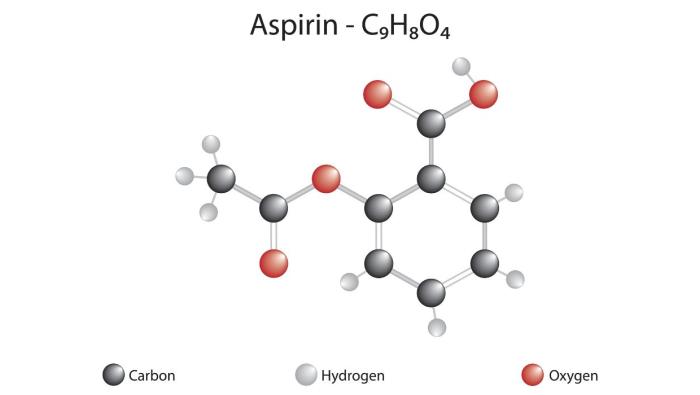
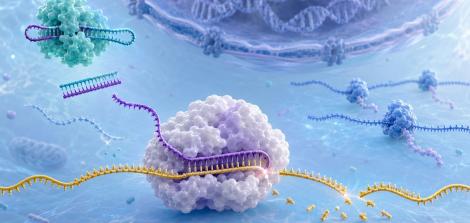
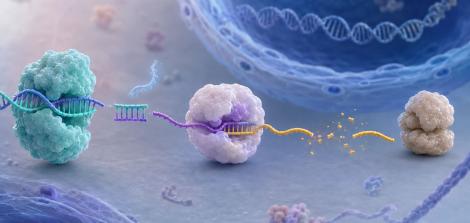
A prodrug, or “pre-drug,” is a medication that’s administered in the same ways as regular drugs, such as by swallowing, injection, or inhalation, but only undergoes a chemical or enzymatic process that converts it into the active drug after it enters the body. Instead of giving the patient the active compound directly, a prodrug is used to improve how the drug is absorbed, distributed, metabolized, and eliminated from the body. This technology helps overcome challenges like poor absorption in the digestive system, unwanted side effects, or inefficient delivery of the drug to its intended site of action.
Why are prodrugs used?
Many medications are poorly absorbed in the digestive system, and by converting them into prodrugs, their absorption can be improved. In addition, prodrugs can reduce side effects. For example, aspirin (acetylsalicylic acid) is a prodrug of salicylic acid and was originally developed to reduce the stomach irritation caused by salicylic acid. Prodrugs also allow for more targeted delivery to a specific organ or tissue, which improves treatment effectiveness and reduces damage to other systems in the body. Today, about 10% of all marketed drugs worldwide are prodrugs, and new prodrugs continue to be developed in order to improve existing treatments.
How do prodrugs become active in the body?
Prodrugs are divided into two main types, based on where they’re activated in the body. Type I prodrugs are activated inside cells, mainly in the liver, through cellular enzymes. Examples include antiviral medications and cholesterol-lowering drugs. Type II prodrugs are activated outside the cells – in digestive fluids, in the blood, or in other bodily fluids. A well-known example is codeine, a pain reliever that’s converted into morphine in the body by liver enzymes. In the lab of Prof. Arie Lev Gruzman at the Dangoor Center, a unique molecule called GT73 was developed as a prodrug capable of treating around 300 autoimmune diseases.
Last Updated Date : 26/04/2026