


RNA – Ribonucleic Acid

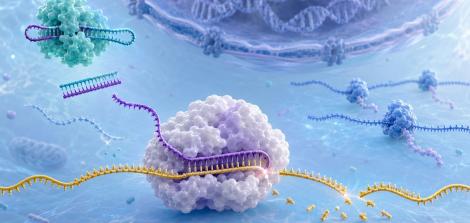
The RNA molecule (ribonucleic acid) is a central component of genetic expression and cellular regulation systems. It mediates between the information encoded in DNA and the production of proteins in the cell, and it also plays additional roles related to regulating gene activity and carrying out other biochemical processes. While DNA serves as a stable store of information preserved in the cell nucleus, RNA functions as a dynamic and active molecule. It carries transcription products, influences their stability and translation, and in certain cases even performs a catalytic role, meaning it acts like an enzyme that speeds up chemical processes.
In terms of structure, the RNA molecule is usually built as a single strand composed of a chain of basic units called nucleotides. Each nucleotide carries one of four chemical bases: adenine (A), guanine (G), cytosine (C), and uracil (U). What makes RNA unique is its ability to fold into complex three-dimensional structures, and the shape that forms determines what the molecule will do. Some RNA molecules act as “messengers” that carry genetic information (mRNA), others function as components such as rRNA and tRNA that are essential for ribosome activity, and there are also regulatory RNA molecules that guide the level of gene expression.
Findings from recent decades have clarified that RNA is not only an intermediate factor, but a central regulatory layer in organizing the cellular response and determining patterns of gene expression. This understanding has contributed to the development of advanced medical applications, including mRNA vaccines and therapeutic platforms based on regulating or correcting genetic pathways.
Frequently Asked Questions
- What is RNA?
RNA (Ribonucleic Acid) is a type of nucleic acid molecule found in all living cells. It functions as a carrier of genetic information and as an essential structural and regulatory component. In humans, the main role of the RNA molecule is to translate the genetic instructions that come from DNA into proteins that build and operate the body’s systems, although it also has other important functions. - What’s the difference between DNA and RNA?
There are structural and functional differences between DNA and RNA. Structurally, DNA is built as a stable double helix that contains a sugar called deoxyribose, while RNA is usually a single, more flexible strand that contains a sugar called ribose and a nitrogenous base called uracil (U) instead of thymine (T). These differences support the distinct roles of each molecule. The high stability of DNA allows it to serve as an “archive” that protects genetic information in the long term. In contrast, the structure of RNA makes it a more dynamic and short-lived molecule, which is a critical functional advantage. Its relative instability allows the cell to break it down quickly after the instructions have been carried out, enabling a rapid response to changes in the environment and preventing unnecessary protein production. - What are the main types of RNA molecules?
In the cell, three main categories are involved in building proteins: messenger RNA (mRNA), which copies the genetic code; ribosomal RNA (rRNA), which forms the structural core of the ribosome; and transfer RNA (tRNA), which brings the amino acids needed to build the protein. In addition, there are regulatory RNA molecules whose role is to switch specific genes on or off within the cell. - What is the role of non-coding RNA?
Non-coding RNA (ncRNA) includes molecules that do not become proteins, yet are essential for the proper management and functioning of the genetic system. These molecules, such as microRNA, act like control switches that can silence specific genes and prevent the production of harmful proteins. Research shows that large portions of the genome once thought to be unimportant actually produce non-coding RNA responsible for complex quality control processes within the cell. - Can an RNA molecule act like an enzyme?
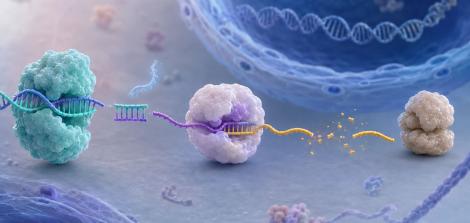
Yes, and this was one of the surprising discoveries in science that earned its researchers a Nobel Prize. These molecules are called ribozymes, and they are RNA molecules capable of speeding up chemical reactions just like protein enzymes. The most well-known example is the ribosome, where the RNA itself carries out the actual joining of amino acids to form a new protein chain. - How is RNA used to produce drugs and vaccines?
The ability to design RNA sequences artificially has led to a revolution in medicine. mRNA vaccines teach the body’s cells to produce a specific protein that triggers the immune system to defend itself. In addition, there are RNA-based therapies, such as antisense treatments and RNA interference (RNAi), for diseases like spinal muscular atrophy (SMA). These treatments work by neutralizing or modifying the processing of faulty RNA molecules that cause genetic disorders. What is RNA editing?
RNA editing is a natural process that takes place in the body’s cells, in which the cell changes individual letters in the RNA chain after it has already been copied from DNA. The most common change is the replacement of the letter A with the letter I (inosine), and it is carried out by a family of proteins called ADAR. This editing allows a single gene to produce several different versions of a protein without changing anything in the DNA itself.In the field of personalized medicine, researchers are developing tools that make it possible to initiate RNA editing artificially in order to correct genetic defects without the risk involved in editing the DNA itself, which is irreversible.
- What is the RNA world hypothesis?
The RNA world hypothesis is a scientific theory proposing that at the very beginning of life on Earth, RNA was the central molecule that carried out all major functions. According to this theory, RNA served both to store genetic information, a role later taken over by the more stable DNA, and to speed up chemical reactions, a role that later shifted to proteins. The fact that RNA is capable of performing both functions makes it a strong candidate for being the first molecule from which life developed. However, this hypothesis is not universally accepted, and alternative theories suggest that simpler systems may have existed before RNA.
Last Updated Date : 25/02/2026