


Cytokine Storm
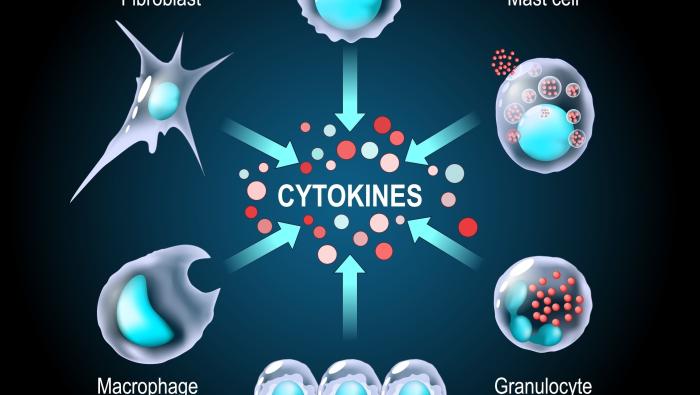
A cytokine storm (also called hypercytokinemia) is an abnormal immune response in which the immune system releases enormous amounts of cytokines, small inflammatory proteins used for communication between immune cells and typically secreted in response to infection or injury. When this release is sudden and uncontrolled, it can cause severe inflammation, organ damage, and even death.
What causes a cytokine storm?
A variety of factors can trigger it. The most common include viral infections such as COVID-19, influenza, and others, as well as bacterial infections, especially those that lead to sepsis. The condition can also develop as a result of certain medical treatments, autoimmune diseases, cancer, and genetic disorders. The exact cause of the phenomenon is not fully understood, but it appears that the immune system reacts in an excessively heightened way when encountering a new or severe threat. In fact, the damage caused by the immune system during a cytokine storm can be more severe than the damage caused by the pathogen itself.
How does a cytokine storm harm the body, and what are the signs?
When a cytokine storm occurs, the cytokines create a positive feedback loop – they recruit more immune cells that produce even more cytokines, and the process spirals out of control. Nearly all cases involve fever, and in severe cases, high fever. Other symptoms include fatigue, loss of appetite, headache, swelling, diarrhea, joint and muscle pain, and nausea. In severe cases, serious breathing problems may develop, including Acute Respiratory Distress Syndrome (ARDS). If the cytokine storm occurs in the lungs, fluids and immune cells can accumulate and block the airways. The process can also lead to dilation of blood vessels, low blood pressure, heart damage, and multiorgan failure.
What are the risk factors and treatment options for a cytokine storm?
Risk factors include older age, underlying conditions such as high blood pressure, diabetes, heart disease, and chronic lung disease, as well as a weakened immune system or autoimmune diseases. Treating a cytokine storm requires a multidisciplinary approach and focuses on suppressing the excessive immune response and supporting organ function. Early diagnosis is essential, since starting treatment in time significantly improves the chances of recovery.
Last Updated Date : 31/12/2025