


Acute Respiratory Distress Syndrome (ARDS)
Acute Respiratory Distress Syndrome (ARDS) is a life-threatening medical condition that develops in the lungs. The condition causes fluid to build up in the tiny air sacs of the lungs, leading to dangerously low oxygen levels in the blood. Symptoms include shortness of breath, rapid breathing, and a bluish discoloration of the skin. Despite advances in mechanical ventilation over the past decades, mortality from ARDS remains high. According to data from the international LUNG SAFE study from 2016 (a large-scale study that included thousands of patients across 50 countries), it stands at about 40%.
When and how does ARDS develop?
ARDS tends to develop within hours to a few days after a severe injury, infection, or illness, and it can worsen rapidly. Most people who develop ARDS are already hospitalized because of trauma or disease. In that same LUNG SAFE study, it was found that the incidence of ARDS was 10.4% of all patients in intensive care units, and about 23.4% of patients receiving mechanical ventilation.
What happens in the lungs, and what causes the syndrome?
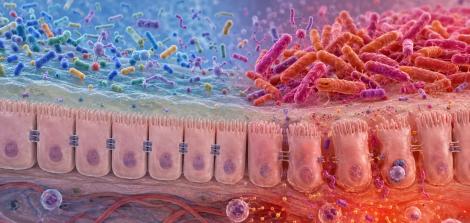
ARDS is characterized by damage to the epithelial cells lining the air sacs and to the tiny blood vessels in the lungs, leading to the accumulation of protein-rich inflammatory fluid in the alveolar space. This process impairs the lungs’ ability to transfer oxygen to the blood and remove carbon dioxide. As a result, blood oxygen levels drop to dangerous levels. The most common causes of the syndrome include pneumonia, sepsis, aspiration of stomach contents, or severe trauma. The COVID-19 pandemic was a major contributing factor to the rise in ARDS cases.
Can you recover from ARDS?
Yes. Although about one-third of patients with ARDS die from the condition, the lungs can recover over a period that varies depending on the extent of the damage. Most people regain the majority of normal lung function within two years, although some may experience mild, lasting lung damage. Many survivors experience memory loss or other quality-of-life issues after recovery, due to brain injury caused by reduced oxygen supply to the brain.
Last Updated Date : 31/12/2025