


Transcription Factors
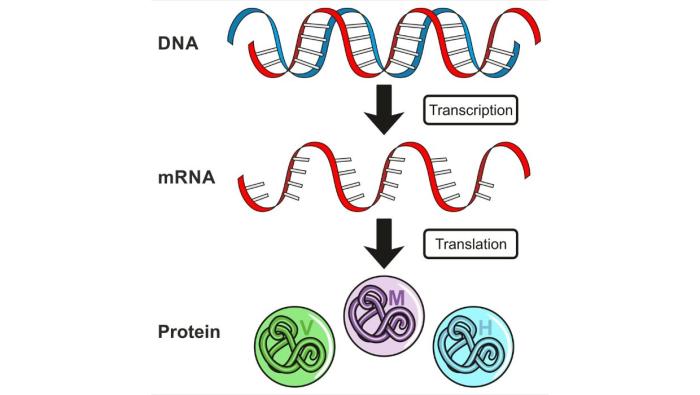
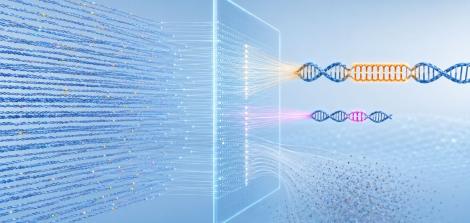
Transcription factors are specialized proteins inside the cell that function as control switches for our genetic information.
What do they do?
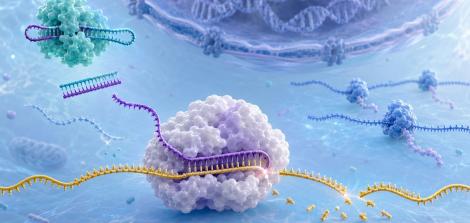
Their main role is to oversee the process of turning DNA into an active protein, the final product that actually carries out work inside the cell. Transcription factors determine which genes will turn on, when they will turn on, and how strongly they will be expressed. They do this by controlling the production of messenger RNA (mRNA), a temporary “working copy” that carries instructions from the DNA in the nucleus to the ribosome, the “factory” outside the nucleus where proteins are built. In essence, transcription factors make sure that only the right “recipes” leave the library at the right moment so the cell can make exactly the proteins it needs.
How do transcription factors control genes?
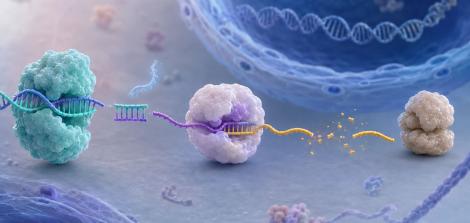
They work by binding directly to specific regions on the DNA near the gene they want to activate or silence. This binding influences the enzyme that copies DNA into mRNA, a process that produces the temporary messenger molecule needed to carry genetic instructions to the ribosome, where they are translated into protein.
Activation: the transcription factor helps the enzyme begin copying the gene, turning it on.
Repression: the transcription factor blocks the enzyme’s access, shutting the gene off.
Why are transcription factors important in medicine?
Transcription factors shape a cell’s identity – for example, whether it becomes a muscle cell or a neuron, and are essential for normal development. When they malfunction, they become major contributors to disease. One of the clearest examples is cancer, where a faulty transcription factor may switch on genes that drive uncontrolled cell growth.
Last Updated Date : 31/12/2025