


RNA Editing
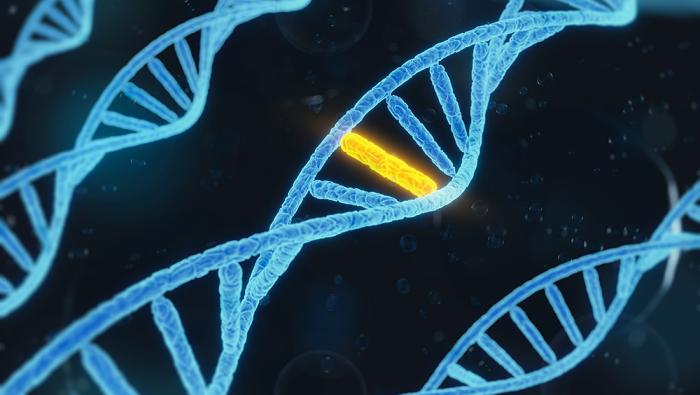
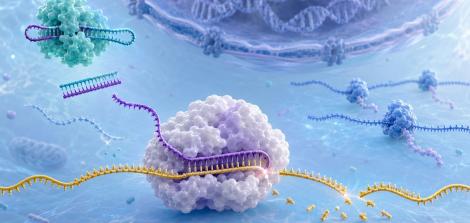
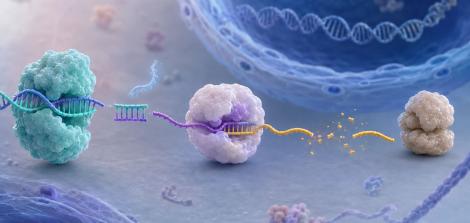
RNA editing is a biological process in which the cell modifies the genetic information within an RNA molecule after it has been copied from the DNA. In this way, the body can update the instructions for protein production without making a permanent change to the hereditary material contained in the DNA.
To understand the process, DNA can be thought of as a central “instruction manual,” while RNA serves as a temporary copy sheet. The RNA molecule is composed of structural units called nucleotides, which are the “letters” of the genetic code. During editing, specialized enzymes replace one letter with another, thereby creating a new instruction.
In humans, the most common type of editing is carried out by enzymes from the ADAR family, which convert the nucleotide adenosine (A) into inosine (I). Because the cell’s systems recognize inosine as guanosine (G), this chemical change leads to the production of a protein with a different function from the one originally encoded. In this way, RNA editing enables the body to produce a new biological outcome without altering the DNA itself.
This mechanism allows the body to produce a wide variety of proteins from a single gene, thereby increasing biological complexity according to changing needs. Its importance is especially evident in the brain, where it regulates the transmission of electrical signals between nerve cells. In addition, RNA editing helps the immune system identify the body’s own molecules and prevent mistaken self-attack.
In light of these important functions, scientists are currently developing artificial RNA editing technologies aimed at correcting genetic errors in a safer manner. This approach may enable the development of precise treatments for genetic and neurological diseases without the concern of permanently altering hereditary material. One of the prominent studies in this field is the research conducted by Professor Erez Levanon at the Dangoor Center, in which he examined the potential of genetic editing for personalized medicine.
Frequently Asked Questions
- What is RNA editing?
RNA editing is a mechanism through which the cell alters the sequence of letters in an RNA molecule after it has been created. The process makes it possible to modify the genetic instructions used for protein production without making a permanent change to the original DNA. Thanks to this mechanism, cells can respond to changes and adapt to their environment in a dynamic manner.
- What is the difference between RNA editing and DNA editing?
DNA editing permanently changes the genetic material, and this change can be inherited by future generations. RNA editing, by contrast, acts on temporary and short-lived molecules. The change in RNA is reversible and time-limited, and for this reason it is considered a safer therapeutic tool in the development of treatments for certain diseases.
- How does the ADAR enzyme function within the body?
The ADAR enzyme identifies regions within RNA where two RNA molecules form a ladder-like structure, meaning a partially double-stranded region. There, it carries out a chemical reaction that replaces the base adenosine (A) with inosine (I). Because the cell’s translation machinery reads inosine as though it were guanosine (G), the genetic “sentence” changes, and in some cases a different amino acid is produced within the protein. Even such a small change in the sequence can alter the structure and function of the protein, for example by making it more or less active or better suited to the needs of a particular cell.
- Why is RNA editing especially important in the human brain?
The brain is the organ in which the most intensive RNA editing in the body takes place. This process is essential for the fine regulation of receptors that transmit electrical signals between nerve cells. Disruptions in RNA editing in the brain have been linked in studies to conditions such as epilepsy, depression, and neurodegenerative diseases such as ALS.
- Can genetic diseases be treated through RNA editing?
Scientists are currently developing technologies that recruit the cell’s natural editing mechanisms in order to correct genetic errors in RNA, for example in diseases such as cystic fibrosis. In this way, it may be possible to temporarily correct the faulty instruction in the RNA, reduce symptoms, and do so without permanently altering the patient’s DNA. However, it is important to note that most RNA editing–based treatments are still in preclinical stages or early clinical trials and are therefore not yet available as part of routine widespread treatment.
- What is the connection between RNA editing and the immune system?
RNA editing serves as an identifying signal for the immune system and helps it distinguish between the body’s own RNA and foreign viral RNA. When the editing mechanism does not function properly, the immune system may mistakenly identify the body’s own molecules as hostile agents. This condition may lead to the activation of an inflammatory response and to autoimmune diseases.
- Is RNA editing passed from parents to children?
No. RNA editing is not an inherited process. The changes occur only at the level of temporary RNA molecules within cells, while the DNA in reproductive cells remains unchanged. Therefore, the corrections or modifications produced through RNA editing are not passed on to future generations.
- What are the consequences of imbalance in RNA editing?
Maintaining a proper level of RNA editing is essential for the body’s health because it allows the genetic instructions to be precisely adjusted to the needs of the cells. When the level of editing is too low, defective proteins may be produced, which can lead to neurological disorders, metabolic diseases, and impairment of the immune system. Conversely, excessive editing may alter RNA sequences at inappropriate sites or to an inappropriate extent. In some types of cancer, cells exploit this process to produce proteins that help them survive, evade the immune system, and divide more rapidly.
Last Updated Date : 03/08/2026