


Sickle cell anemia
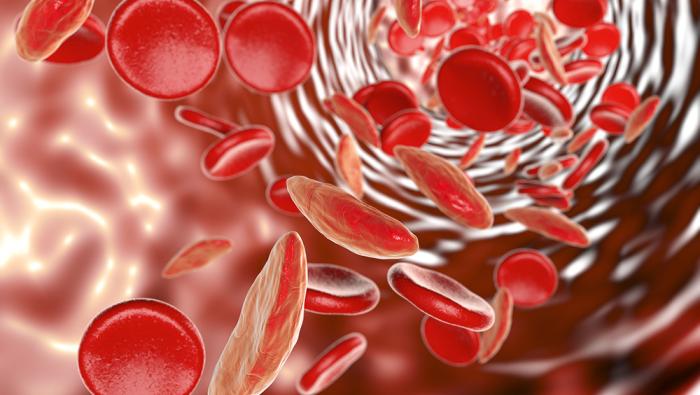
Anemia is a medical condition in which the number of red blood cells or the level of hemoglobin—the protein that carries oxygen in these cells—is lower than normal. As a result, the body’s tissues receive less oxygen. Sickle cell anemia is an inherited blood disorder that causes hemoglobin to form abnormally. The disease takes its name from the distinctive sickle-like shape of the red blood cells in affected individuals.
What causes sickle cell anemia?
The condition is caused by a defective allele (a variant form of a gene—each person inherits two alleles for every gene, one from each parent) of the HBB gene, located on chromosome 11. In this mutation, one amino acid is replaced by another, resulting in the production of defective hemoglobin that cannot carry enough oxygen. When a person inherits the faulty gene from both parents, all their red blood cells contain abnormal hemoglobin.
What happens in the body when hemoglobin’s structure changes, and what complications can arise?
When hemoglobin’s structure changes, red blood cells become misshapen—bending into a sickle shape—and sticky. These cells clump together and block normal blood flow, leading to severe complications such as intense pain, damage to internal organs, and symptoms of anemia like fatigue. Sickle cell anemia is a life-threatening condition, often accompanied by chronic pain and potential complications including stroke and infections.
How is sickle cell anemia treated?
Treatment typically follows three main approaches: Medication, aimed at reducing pain episodes and preventing complications; Blood transfusions, used to lower the risk of stroke (though they require careful monitoring to prevent iron overload); Bone marrow transplantation, which can be curative but is usually performed only in children with severe complications, given the significant risks involved.
What does the future hold for sickle cell anemia treatment?
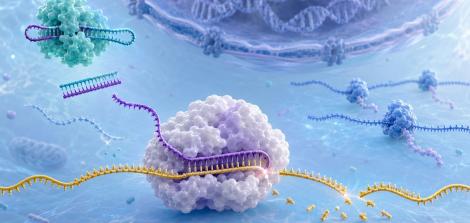
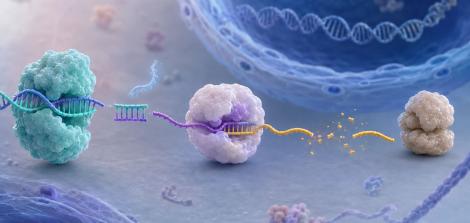
In 2023, for the first time, a gene-editing therapy for sickle cell anemia was approved in the United States and the United Kingdom. This groundbreaking treatment is extremely expensive and takes about six months, requiring chemotherapy beforehand to eliminate the patient’s defective blood cells. While still in its early stages, it represents a major step toward curing a disease that has long been considered incurable.
Last Updated Date : 05/11/2025