


Ribosome
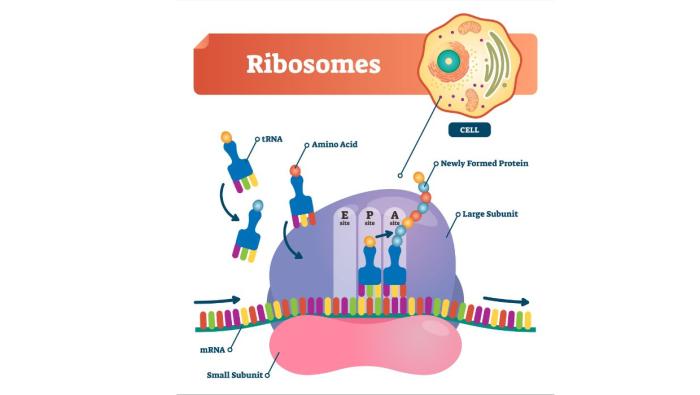
The ribosome is the cell’s “protein factory” – a tiny, intricate, and essential assembly found in every living cell.
What does the ribosome do?
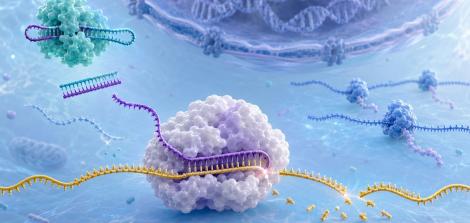
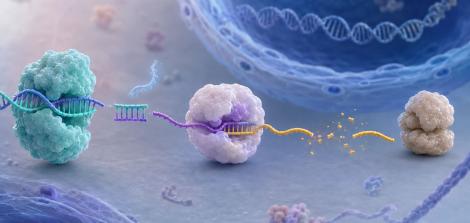
Its main job is to translate genetic information that originates in the DNA. It receives a messenger molecule carrying the “recipe” for a specific protein and uses those instructions to link amino acids together into a chain, creating the finished protein. In effect, the ribosome is the machine that turns the genetic code into working molecules.
Why is the ribosome important in medicine?
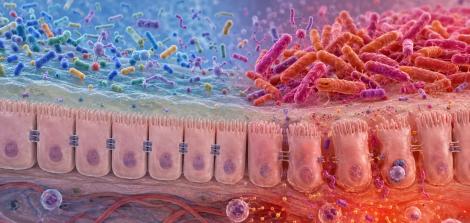
Bacterial ribosomes differ slightly from those in human cells. This difference allows many antibiotics to target and disable bacterial ribosomes selectively. By shutting down the bacteria’s ability to make essential proteins and reproduce, without harming the patient’s own cells, antibiotics can stop an infection at its source. This deep molecular understanding, which revealed the precise structure of the bacterial and human ribosome, is the result of the groundbreaking work of Professor Ada Yonath, who was awarded the 2009 Nobel Prize in Chemistry for this achievement.
Last Updated Date : 31/12/2025