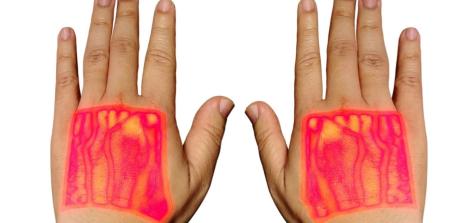



Diabetes

Diabetes is a chronic disease in which the body is unable to maintain normal blood sugar levels. After eating, carbohydrates from food are broken down in the digestive system into glucose, a simple sugar that serves as an important source of energy for the body's cells. Glucose is absorbed into the bloodstream, but to enter most cells it needs insulin, a hormone produced by the pancreas. : Insulin acts as a signaling molecule, enabling cells to take up glucose from the blood and use it for energy production or store it for later use.
In diabetes, this mechanism is impaired. This can occur when the pancreas does not produce enough insulin or when the body's cells become less responsive to it. As a result, glucose remains at elevated levels in the bloodstream instead of being properly absorbed by cells and tissues.
Persistently high blood sugar levels can, over time, damage blood vessels, nerves, and various tissues throughout the body. Therefore, diabetes that is not diagnosed or is not properly managed can lead to complications such as cardiovascular disease, vision impairment, kidney damage, and nerve damage, particularly in the extremities.
Diabetes is one of the most common chronic diseases worldwide and is among the leading causes of death today. It is estimated to affect approximately one in nine adults, although its prevalence is not uniform and varies according to age, health status, genetic background, and individual risk factors.
Diabetes is generally classified into three main types: type 1 diabetes, type 2 diabetes, and gestational diabetes. In type 1 diabetes, the immune system attacks the pancreatic cells that produce insulin, causing the body to produce little or no insulin. This form of diabetes is sometimes referred to as "juvenile diabetes" because it is often diagnosed during childhood or adolescence. However, the term is not entirely accurate, as the disease can also develop in adulthood.
Type 2 diabetes is the most common form of the disease. In this condition, the body's cells become less responsive to insulin, requiring the pancreas to produce increasing amounts of the hormone to maintain normal blood sugar levels. Over time, the pancreas may no longer be able to meet this demand, causing blood sugar levels to rise.
In addition to these two types, there is also gestational diabetes, which develops during pregnancy. Early diagnosis and medical monitoring are important to help protect the health of both the mother and the fetus.
Early diagnosis and treatment tailored to the specific type of diabetes can reduce the risk of complications and improve quality of life. Treatment varies from person to person and may include dietary changes, regular physical activity, weight loss when needed, medications, and, in some cases, insulin therapy. The goal is to maintain healthy blood sugar levels over time, helping preserve the normal function of blood vessels, the heart, kidneys, eyes, and nerves.
Alongside existing treatments, researchers are exploring approaches that target the underlying biological mechanisms of the disease. One example is the work of Dr. Ron Piran at the Dangoor Center at Bar-Ilan University, which investigates ways to promote the generation or regeneration of beta cells, the insulin-producing cells of the pancreas. Among other approaches, the research is examining whether existing pancreatic cells can be converted into functional beta cells, providing a potential foundation for future diabetes therapies.
Frequently Asked Questions
- What is the difference between type 1 and type 2 diabetes?
The main difference between the two types of diabetes lies in their underlying disease mechanisms. Type 1 diabetes is an autoimmune disease in which the immune system attacks the beta cells in the pancreas that are responsible for producing insulin. As a result, the body produces little or no insulin and therefore requires insulin therapy. In type 2 diabetes, the pancreas continues to produce insulin, but the body's cells respond to it less effectively, a condition known as insulin resistance. Over time, insulin production may also decline.
- What are the common symptoms of diabetes?
The first symptoms of diabetes typically appear when blood sugar levels remain elevated for an extended period. The body attempts to eliminate excess sugar through urine, which can lead to frequent urination, especially at night, increased thirst, and dry mouth. Because glucose is not being properly absorbed by the body's cells, fatigue, weakness, and increased hunger may also occur.
Other symptoms can include blurred vision, slow wound healing, recurrent infections, and, in some cases, unexplained weight loss, particularly in people with type 1 diabetes. In type 2 diabetes, symptoms often develop gradually and may be mild or go unnoticed during the early stages of the disease.
- What is insulin resistance, and how is it related to diabetes?
Insulin resistance is a condition in which the body's cells respond less effectively to insulin than they normally would. Under normal circumstances, insulin helps move glucose from the bloodstream into cells. When the body's response to insulin becomes impaired, glucose remains in the bloodstream at higher levels. Initially, the pancreas attempts to compensate by producing more insulin, but over time it may struggle to meet this increased demand. When this compensation is no longer sufficient, blood sugar levels rise, and type 2 diabetes may develop.
- Which blood tests are used to diagnose diabetes?
Diabetes is diagnosed by a healthcare professional based on blood test results, symptoms, and the individual's overall medical condition. Common tests include the fasting blood glucose test and the HbA1c test, which reflects average blood sugar levels over the previous several months.
As a general guideline, fasting blood glucose levels of 100–125 mg/dL may indicate prediabetes, while a level of 126 mg/dL or higher may indicate diabetes. For the HbA1c test, values of 5.7%–6.4% may indicate prediabetes, while a value of 6.5% or higher may indicate diabetes. However, diagnosis should not be based on a single test alone, and test results should not be interpreted without medical guidance.
- What complications can result from poorly controlled diabetes?
When blood sugar levels remain high over time, they can damage blood vessels and nerves. Damage to large blood vessels increases the risk of heart disease, stroke, and peripheral artery disease. Damage to small blood vessels can lead to complications affecting the eyes, kidneys, and nerves. For example, damage to the retina may impair vision, kidney damage can affect kidney function, and nerve damage may cause pain, tingling, or numbness.
- Can diabetes be prevented or cured?
At present, type 1 diabetes cannot be prevented or completely cured, and treatment focuses on maintaining good blood sugar control and replacing the insulin the body can no longer produce. In contrast, the risk of developing type 2 diabetes can be significantly reduced through a healthy lifestyle.
In some cases, type 2 diabetes can enter remission, a state in which blood sugar levels return to the normal range as a result of dietary changes, weight loss, and regular physical activity. This may allow medication use to be reduced or discontinued under close medical supervision and with a healthcare professional's approval.
- How can blood sugar levels be measured?
Blood sugar levels are primarily measured through blood tests. For day-to-day monitoring, people with diabetes may use a glucometer, which measures blood sugar from a small finger-prick blood sample, or a continuous glucose monitoring (CGM) sensor. At the same time, researchers are investigating new approaches designed to make glucose monitoring more convenient and less invasive. One such approach, developed at the Dangoor Center at Bar-Ilan University, uses a combination of lasers, imaging technology, magnetic fields, and artificial intelligence to measure blood sugar levels. However, diagnosis and routine monitoring currently continue to rely on established testing methods and technologies.
Last Updated Date : 21/07/2026