


Model Organism
A model organism is a non-human living organism, such as a fruit fly or laboratory mouse, used for in-depth biological research. The purpose of using model organisms is to understand fundamental biological processes, disease mechanisms, and potential medical treatments.
The use of model organisms is based on the assumption that key biological principles, such as cell division, neural signaling, and genetic structure, are shared across a wide range of living organisms because of common evolutionary origins. This assumption allows researchers to perform experiments and targeted genetic manipulations that cannot be conducted in humans for ethical, technical, and practical reasons.
Model organisms are generally selected according to several key criteria: a short life cycle, which allows researchers to study multiple generations within a relatively short period of time; ease of breeding and maintenance under laboratory conditions; a well-characterized genome that has been extensively studied and mapped, and a proven ability to undergo genetic engineering techniques.
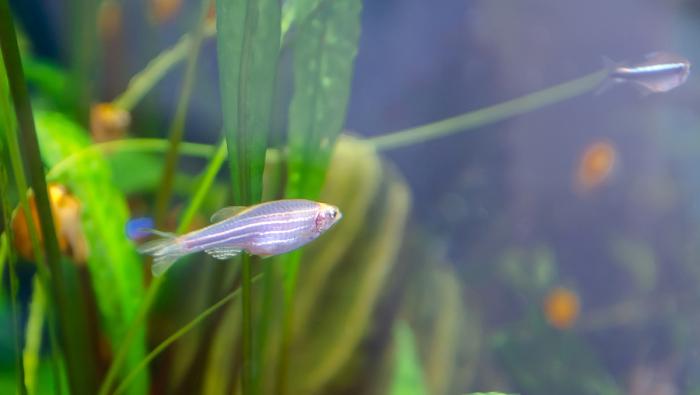
The range of model organisms is extremely broad. It includes simple organisms such as E. coli bacteria and yeast; invertebrates such as the worm C. elegans and the fruit fly (Drosophila), as well as more complex vertebrates such as zebrafish and laboratory mice.
Each model organism offers unique advantages. The worm and the fruit fly, for example, make it possible to perform rapid and inexpensive screening of thousands of genetic mutations. The mouse, by contrast, is more similar to humans in terms of body structure and function, both anatomically and physiologically, making it essential for studying complex systems such as the immune system, the cardiovascular system, and behavior.
Alongside their scientific advantages, the use of model organisms requires strict ethical oversight. This supervision is based largely on the principle of the “3Rs”: Replacement: replacing animals with alternative models, such as cell cultures or computer-based systems, whenever possible. Reduction: minimizing the number of animals used in experiments to the smallest number necessary. Refinement: improving housing conditions, care, and experimental procedures in order to minimize suffering as much as possible.
Research involving model organisms remains a crucial component in the development of new drugs and innovative medical strategies because model organisms provide a complete living system in which scientists can study the complex interactions between cells, tissues, and organs, something that still cannot be fully replicated under artificial laboratory conditions.
Frequently Asked Questions
- What is a model organism?
A model organism is a non-human organism used in scientific research to better understand fundamental biological processes, disease mechanisms, and potential treatment approaches. Its use is based on the understanding that key biological principles are shared among many living organisms, making it possible to study gene function, disease development, and the effects of drugs within a complete living system.
- Why are model organisms used instead of studying humans directly?
The use of model organisms is driven by ethical and safety limitations that prevent invasive or potentially dangerous experiments from being conducted on humans during the early stages of research. In addition, model organisms allow researchers to maintain tight control over environmental conditions, work with genetically uniform populations, and study organisms with relatively short life cycles, making it possible to obtain meaningful research results within a comparatively short period of time.
- What are the most common model organisms?
The most common model organisms include mice, rats, zebrafish, fruit flies, and C. elegans worms. The choice of organism depends on the specific research question. Fruit flies, for example, are especially useful for studying basic genetics, while mice are widely used in research on complex diseases because of their close biological similarity to humans.
- How can small organisms such as flies teach us about human diseases?
Small organisms such as flies can provide valuable insight into human diseases because many of the genes and biological processes involved in disease are conserved across species. As a result, despite the major physical differences between flies and humans, researchers can use them to study disease mechanisms within a relatively simple and accessible system, helping uncover fundamental biological processes before examining them in more complex models.
- What are the advantages of using mice in medical research?
Mice offer many advantages in medical research, foremost among them their biological similarity to humans and the ability to perform highly precise genetic studies in them. In addition, the mouse genome has been extensively mapped and studied, and advanced techniques exist that allow researchers to disable specific genes or introduce human genes.
- Can results obtained from model organisms be directly applied to humans?
Not always. Although model organisms share many biological similarities with humans, there are also important differences in metabolism, brain structure, and immune system responses. As a result, findings that appear promising in model organisms are not necessarily valid in humans. For this reason, model organisms are an important part of research but cannot replace clinical trials in humans.
- What are the ethical implications of using model organisms?
The use of model organisms raises significant ethical questions and is therefore subject to strict oversight and regulation. Every experiment requires approval from an ethics committee and is intended to ensure that animals are used only when no appropriate scientific alternative exists. At the same time, researchers are obligated to minimize the number of animals used, reduce unnecessary pain and suffering as much as possible, and carefully weigh the expected medical benefit against the harm caused to the animal.
- Will the use of model organisms eventually be discontinued?
The use of model organisms will likely decrease as alternatives such as computer simulations, artificial intelligence, and organoids, which are miniature cellular structures that partially mimic human organs, continue to advance. However, these alternatives are still unable to fully reproduce the complexity of a living organism. For that reason, model organisms are expected to remain an important part of biological research for the foreseeable future, particularly in fields such as brain research and drug development.
Last Updated Date : 10/08/2026