


Non-Coding RNA Molecules
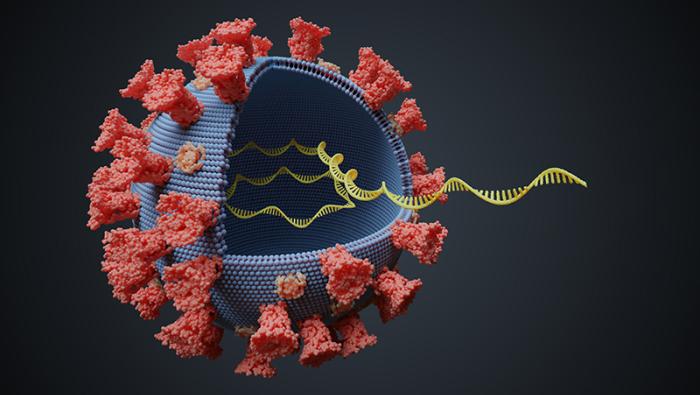
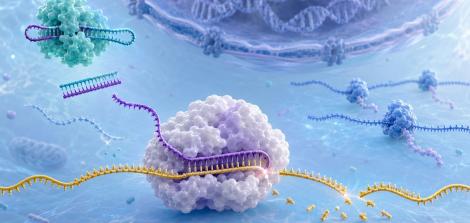
RNA molecules can be either coding or non-coding. The role of coding RNA molecules is to copy segments of genetic code from DNA and translate them into proteins. In contrast, non-coding RNA molecules serve as sophisticated regulators that determine when a particular gene is activated and how strongly it is expressed. They can be thought of as the genome's regulatory and management system, controlling how the cell's genetic instructions are carried out. In addition, they influence the organization of chromatin—the densely packed structure in which DNA is wrapped around proteins within the cell nucleus.
For decades, scientists believed that the vast majority of human genetic material not responsible for producing proteins had no function and even referred to it as "junk DNA." Today, it is known that most of the genome is in fact highly active, giving rise to a wide variety of RNA molecules that function as a regulatory layer governing the biological complexity of the organism. These molecules act as molecular switches, turning specific genes on or off according to the needs of each individual cell. This is what allows cells that contain the same genetic information to develop distinct identities and carry out specialized functions.
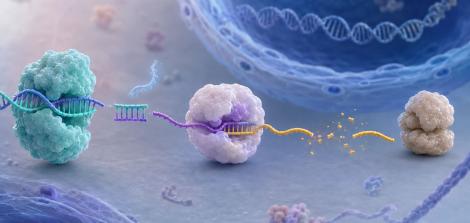
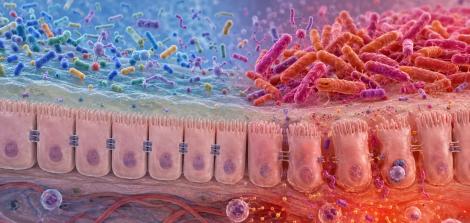
Beyond their role in day-to-day regulation, these RNA molecules play an essential part in preserving the integrity of genetic information by protecting it from damage caused by radiation and toxins. They also participate in complex DNA repair pathways. This understanding has brought about a profound shift in medicine. Today, these RNA molecules can be used as highly sensitive biomarkers for detecting diseases such as cancer through a simple blood test. At the same time, researchers are developing targeted therapeutic approaches that exploit structural differences between human RNA and the RNA of invading pathogens, such as viruses and parasites. This strategy makes it possible to selectively disrupt the pathogen's protein production while avoiding damage to the patient's own cells.
Frequently Asked Questions
1. What is non-coding RNA, and what is its primary role in the body?
Non-coding RNA is a collective term for RNA molecules that are not translated into proteins but instead function as regulators of the genetic system. They determine which genes are activated and to what extent, help organize the three-dimensional structure of DNA within the nucleus, and influence many cellular maintenance processes. Without these molecules, cells would lose the ability to carry out their genetic instructions in a controlled, precise, flexible, and adaptive manner that responds to the body's changing needs.
2. What types of non-coding RNA are there, and what are their functions?
There are several types of non-coding RNA molecules, with the main classification based on their size and their function within the cell. One group consists of short molecules, such as microRNA (miRNA), which act as regulators by silencing the activity of specific genes and preventing the production of proteins that the cell does not need. Another group is long non-coding RNA (lncRNA), which helps organize the three-dimensional structure of DNA within the nucleus and recruits DNA repair proteins when genetic damage occurs. There is also circular RNA (circRNA), which has a closed-loop structure that makes it particularly stable and resistant within human body fluids. In addition, some RNA molecules serve essential "housekeeping" functions in the cell, such as ribosomal RNA (rRNA) and transfer RNA (tRNA).
3. Why were non-coding RNA molecules once associated with "junk DNA"?
The term "junk DNA" was coined in the 1970s, when genetic research focused almost exclusively on protein-coding genes. DNA sequences that did not produce proteins were mistakenly considered meaningless evolutionary remnants. Today, large-scale scientific projects have shown that these regions produce essential RNA molecules that form the backbone of the cell's regulatory system and help determine the organism's biological complexity.
4. How is non-coding RNA used to diagnose cancer with a blood test?
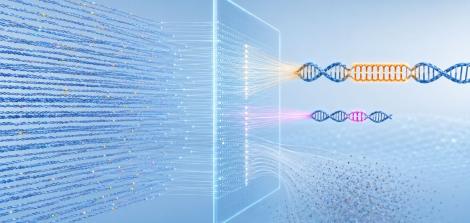
These RNA molecules are highly stable and can be detected in body fluids such as blood and urine. When a cell undergoes malignant transformation, the profile of its non-coding RNA molecules changes in ways that are characteristic of the specific type of tumor. Identifying this "RNA signature" can help physicians diagnose cancer at a very early stage, monitor a patient's response to treatment, and detect disease recurrence before it becomes visible on conventional imaging studies.
5. How do RNA-based therapies target parasites without harming humans?
Parasites that cause diseases such as malaria and leishmaniasis rely on unique RNA structures that differ from those found in the human body. Researchers are developing therapeutic molecules that selectively bind to the parasite's RNA sequences or to essential structures in its protein production machinery (the ribosomes). Because the treatment recognizes only the parasite's molecular components, it disrupts the parasite's ability to survive without damaging the patient's own cells, enabling a precise and safe therapeutic approach.
6. How do non-coding RNA molecules help repair breaks in DNA?
When a break occurs in DNA, the cell rapidly transcribes long RNA molecules at the site of the damage, where they serve as physical anchoring points. These molecules bind to the DNA or chromatin, creating a molecular scaffold that recruits DNA repair proteins. The RNA increases the avidity of repair enzymes for the damaged site, helping them remain stably positioned until the break has been repaired—a process that is essential for preventing mutations that could lead to cancer.
7. What is the relationship between RNA editing and the flexibility of the genetic system?
RNA editing is a process in which the cell modifies individual nucleotides—the chemical building blocks that make up the RNA molecule—after the RNA has already been produced. Research has shown that most of these editing events occur in non-coding RNA, allowing the cell to rapidly adjust its regulatory activity and adapt to environmental changes, such as disease or cellular stress, without making permanent and irreversible changes to the DNA sequence itself.
8. Can non-coding RNA molecules produce proteins?
Discoveries in recent years have revealed that some molecules previously classified as "non-coding" contain tiny coding regions that had not been recognized before, making it possible to produce micropeptides—very small proteins composed of fewer than 100 amino acids. These tiny proteins carry out critical biological functions. For example, the microprotein CYREN determines which DNA repair pathway is used to minimize genetic errors, while PIGBOS regulates energy production within the mitochondria. These discoveries reveal an additional layer of protein activity within the cell that was previously unknown or had not been characterized.
Last Updated Date : 03/08/2026