


The ADAR enzyme – adenosine deaminase
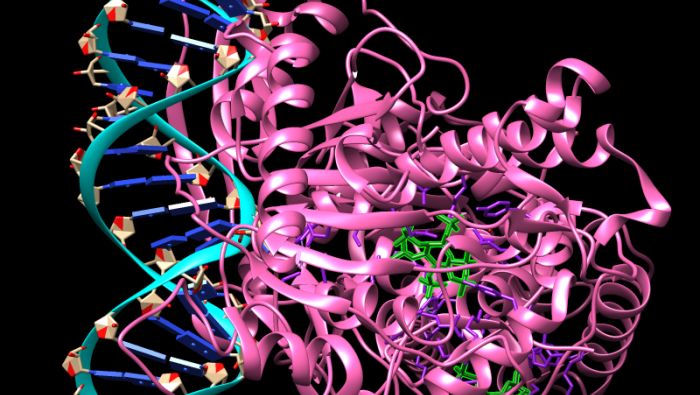
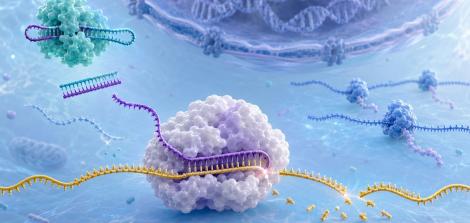
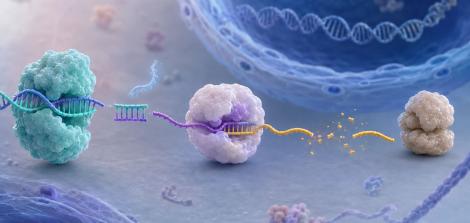
The ADAR enzyme (adenosine deaminase acting on RNA) is an essential molecular editor that modifies RNA. In simple terms, it can change a single “letter” in the RNA sequence (the molecule transcribed from DNA and used as a “working copy” for protein production) into another.
Why is the ADAR enzyme important?
ADAR is highly active in the central nervous system, where it influences gene expression and protein function. It also acts on RNA regions that resemble viral RNA, helping the body distinguish between its own cells and viral invaders by editing these sequences and preventing mistaken immune responses.
How is RNA editing connected to disease?
RNA editing is vital for normal body function, and disruptions in this process have been linked to a range of serious conditions. These include neurological disorders such as epilepsy, schizophrenia, and autism; psychiatric illnesses like depression and bipolar disorder; viral infections; and various types of cancer.
What types of ADAR enzymes exist?
In mammals, there are three main ADAR enzymes: ADAR1, found in all tissues and active in immune responses; ADAR2, which specializes in editing RNA sequences in the nervous system; and ADAR3, expressed in the brain, though its precise role remains unclear.
When and how was ADAR discovered?
The first enzyme of the ADAR family was discovered in 1987 by Brenda Bass and Harold Weintraub during research on the embryonic development of the African clawed frog. The finding was serendipitous, but it opened an entirely new field in molecular biology.
What does ADAR research mean for the future of medicine?
Scientists have identified hundreds of thousands of sites in the human genome where RNA editing takes place, underscoring how widespread and crucial this mechanism is. ADAR-based RNA editing enables precise and reversible genetic modifications at the RNA level, rather than altering the DNA itself. This makes it especially promising for treating rare genetic disorders and complex, common diseases. Because ADAR editing can provide temporary effects, it’s particularly suited for therapeutic applications such as acute pain relief, obesity, viral infections, and inflammation, and it’s poised to become a key tool in early diagnosis and the development of next-generation treatments.
Last Updated Date : 05/11/2025