



Lymphocytes
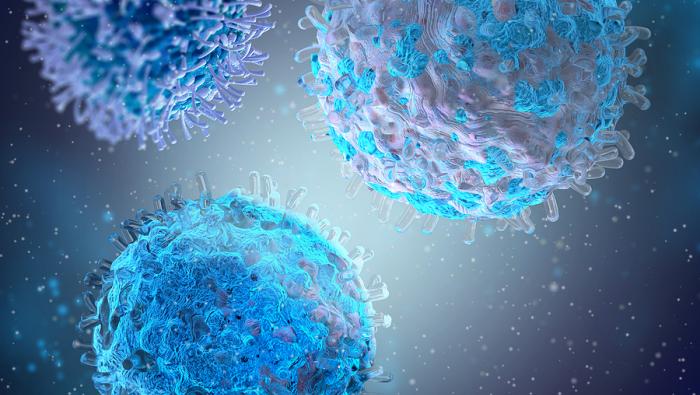
Lymphocytes are white blood cells that play a central role in the immune system. They are responsible for identifying harmful agents that have entered the body, such as bacteria, viruses, and cancer cells, and for helping the body combat them. These cells are produced in the bone marrow, and some continue through a maturation process in the thymus gland, depending on their type and function.
The importance of lymphocytes stems from their ability to accurately identify specific disease-causing agents and activate an appropriate immune response against them. In addition, they are capable of creating immune memory, meaning they retain information about pathogens (microscopic disease-causing agents such as bacteria, viruses, fungi, and parasites) that the body has previously encountered. Thanks to this ability, when the same agent enters the body again, the immune system responds more quickly and more effectively.
Lymphocytes are generally divided into three main types: B cells, T cells, and natural killer (NK) cells.
B cells are responsible for producing antibodies, which bind to disease-causing agents and help the body identify and eliminate them. T cells are responsible for coordinating the immune response and directly attacking infected or damaged cells. NK cells belong to the innate immune system and act rapidly to destroy infected cells or cells that have undergone malignant transformation, without creating specific immune memory.
Lymphocytes constantly circulate between the bloodstream and the organs of the lymphatic system, including the lymph nodes, spleen, and tonsils. During their movement, they monitor the body’s fluids, identify signs indicating the presence of hostile agents, and participate in activating the body’s defense mechanisms. In this way, they play an important role both in identifying threats and in organizing the immune response against them.
Maintaining a normal level of lymphocytes is essential for healthy immune function, and measuring their numbers in the blood can provide information about the status of a person’s health. When the lymphocyte count is lower than normal, the body’s ability to fight infections may be weakened. When the count is higher than normal, it may indicate an infection, inflammation, an increased immune response, or sometimes diseases affecting the blood system.
Frequently Asked Questions
- What are lymphocytes, and what is their role?
Lymphocytes are a type of white blood cell that plays a central role in the immune system. Their role is to identify harmful agents that have entered the body, such as bacteria and viruses, and to help protect the body against them. They function in various ways, including producing antibodies, attacking infected cells, and creating immune memory, which enables the body to respond more quickly and effectively upon repeated exposure to the same disease-causing agent.
- What is the difference between T lymphocytes and B lymphocytes?
The main difference between two lies in the role they perform in the immune system. B cells are responsible for producing antibodies, which bind to disease-causing agents and help the body identify and eliminate them. T cells, in contrast, mainly function in coordinating the immune response and directly attacking infected or damaged cells. Within this group there are helper T cells, which regulate immune system activity, and cytotoxic T cells, which destroy cells infected by viruses or cells that have undergone cancerous changes.
- What is the normal range of lymphocyte levels in the blood?
Lymphocyte levels are usually measured as part of a complete blood count (CBC). In adults, lymphocytes generally account for about 20% to 40% of all white blood cells. When their absolute number is measured, the normal range is generally between 1,000 and 4,800 lymphocytes per microliter of blood. However, reference ranges may vary slightly between laboratories, and they are also different for children and adults.
- What does a high lymphocyte level in the blood mean?
A high level of lymphocytes in the blood, a condition known as lymphocytosis, generally indicates increased activity of the immune system. In many cases, it appears in response to an infection, especially a viral infection. However, a high lymphocyte count may also occur in conditions involving prolonged inflammation, as a reaction to certain medications, and sometimes in diseases affecting the blood system. Therefore, the significance of the result should be interpreted according to the overall medical condition and additional test findings.
- What causes a low level of lymphocytes in the blood?
A low level of lymphocytes in the blood, known as lymphocytopenia, may be caused by a variety of medical conditions. Possible causes include severe infections, autoimmune diseases, significant nutritional deficiencies, and certain medical treatments, such as chemotherapy or steroid therapy. Since lymphocytes play an important role in protecting the body, a decrease in their number may weaken the immune system and increase the risk of infections.
- How do lymphocytes create immunological memory?
When the body encounters a disease-causing agent for the first time, some lymphocytes become memory cells. These cells remain in the body for a long time and retain information about that specific agent. If it enters the body again, the memory cells recognize it quickly and activate a faster and more effective immune response. This ability helps the body cope better with recurrent infections, and it is also the principle on which vaccines are based.
- What are natural killer (NK) cells?
NK cells are a specialized type of lymphocyte that belongs to the innate immune system. Unlike T cells and B cells, which require time to learn to recognize an enemy, NK cells are able to identify “suspicious” cells, such as cancer cells or virus-infected cells, and destroy them immediately without prior exposure. They serve as a rapid first line of defense against tumors and infections.
- Where are lymphocytes found in the body?
Lymphocytes are found in the bloodstream, but most of them do not remain there permanently. Most are located in the organs of the lymphatic system and in the body’s immune tissues, including the lymph nodes, spleen, tonsils, bone marrow, and mucosal tissues in the digestive and respiratory systems. They move between these areas and the bloodstream, enabling them to monitor the body, identify harmful agents, and participate in the immune response.
Last Updated Date : 27/07/2026